
Mental Health Ofrenda: Indigenous Peoples’ Day
In this Mental Health Ofrenda, Austin Vida columnist explores healing the wounds of your ancestors and other mental health offerings.
Mis queridos familiares y amistades,
¿Cómo están? How are your heart and spirit doing? As we near Indigenous Peoples’ Day and Día de los Muertos con mucha anticipación, mi corazón piensa en nuestrxs ancestrxs Indígenas. My heart and spirit are thinking about the upcoming celebrations of our fierce, powerful and beautiful ancestors. In Spanish, I say “nuestrxs ancestrxs” to honor our beautiful queer, nonbinary, and transgender ancestors. My soul reaches out to connect with them and to feel the generations of courage, strength, beauty, and wisdom that I inherited in my own brown and queer being today. I am honored to reflect and share their gifts.
How we got here – Desde allí hacia aquí
In a recent workshop I attended called the Latinx Challenge, we unpacked the painful histories of racism and colonization that made us into who we are now. For many of us, our Latinx ancestry is a mix of Indigenous, African, and European roots.
As we remember and honor our Indigenous ancestors, heritage, and cultures, may we deepen our understanding of how we got to where we are in present day Austin, Texas. Before being Austin or Waterloo, we were Mexico. Before being Mexico, we were Turtle Island. Contrary to the lies we were taught about this land being “newly discovered” or “uninhabited,” Austin, Texas, was Indigenous through and through. Austin is connected to many unique and beautiful Indigenous communities (Austin Climate Equity Plan Land Acknowledgment, pg. 1).
Where I go from here – Desde aquí hacia allá
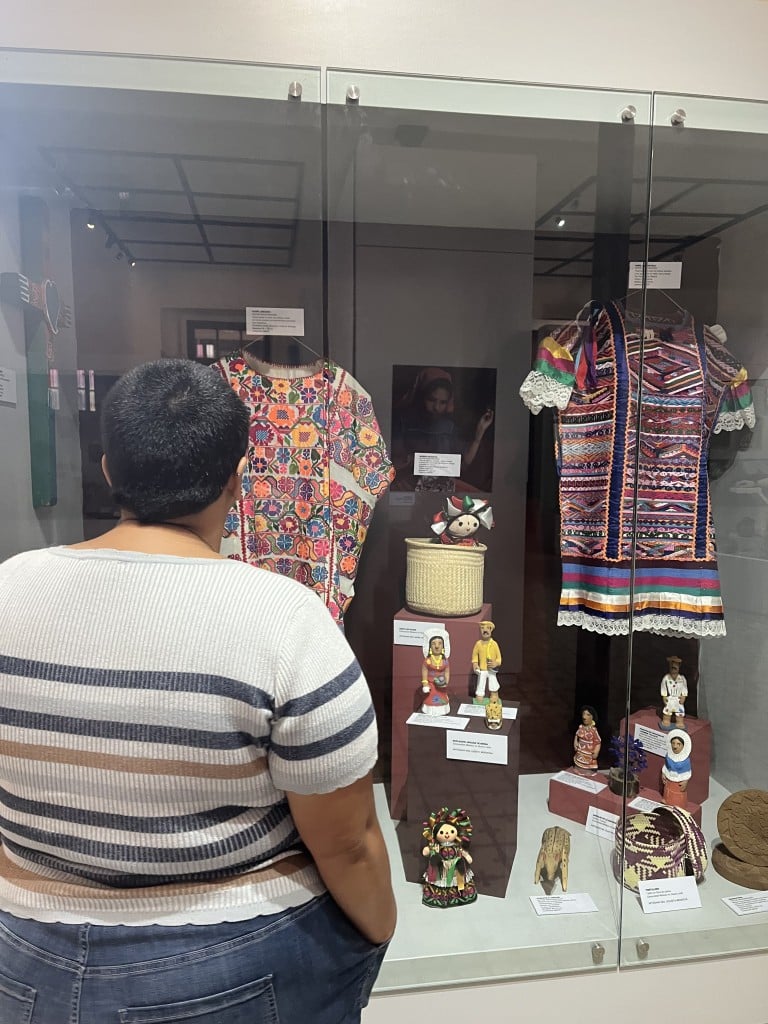
Parte de entender esta historia que llevo en mis huesos significa reconectarme con mis raíces Indígenas. Where I am now, it is no longer enough to learn about the history of my Indigenous ancestry from an emotional and spiritual distance. These past few years, my ancestors have been calling me. Poco a poco they have reached out to communicate with me, comfort me, protect me, and guide me. Connecting with my Indigeneity brings up fears and discomfort for me because, first and foremost, I want to respect how sacred this ancestry is. It is my earnest desire that learning about and engaging with my Indigenous ancestry today is rooted in respect, love, care, and decolonization.
Part of that journey for me has meant letting go of what I was taught about sacred medicine and ceremonial practices. I grew up alongside other young Latinxs with immigrant parents who found refuge, solidarity and community in the Christian/Baptist church. As an adult, I know that my parents did the best they could to provide us the care, community, and love we all needed. However, growing up in the Christian and Baptists churches we attended meant an active denial, suppression, and condemnation of Indigenous medicine, ceremony, and ritual. Aside from praying to God and praising God, we were taught that any other spiritual practices were diabolical, demonic, and – ultimately – wrong. It took me a long time to unlearn this and to be less and less afraid of “hell” and “evil spiritual practices.”
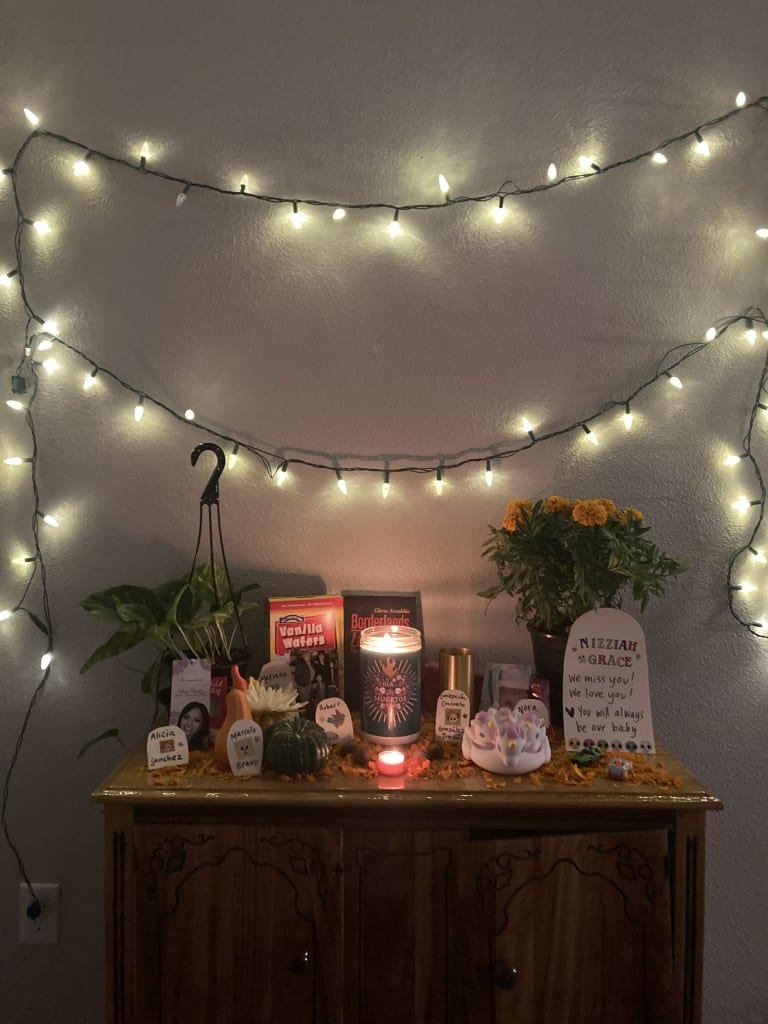
In high school, I first read excerpts from “Borderlands/La Frontera: The New Mestiza” by Gloria Anzaldúa at a summer camp. Reading about a fellow Queer, Tejana, Chicana, and Indigenous writer started me on a beautiful journey of decolonizing my heart, mind, and spirit. In the following years, I learned more about the history of the United States, Indigenous scholars and texts, and Indigenous spiritual practices. In 2020, I put up my very first ofrenda for my loved ones and ancestors. That year was the first year I celebrated Día de los Muertos – a holiday I had never celebrated as a kid. In 2021, I attended a community healing session with a curandera from San Antonio. My heart wanted to leap out of my chest with joy. Here was this person – these practices – that I had once been taught were bad, but they felt so right. My heart rejoiced in the newfound possibilities of cleansing my own home, building a year-round ofrenda, and convening with my beautiful ancestors every day. Poco a poco, mi corazón se conecta más y más a mis ancestrxs Indígenas. I feel them with me every day.
Mi ofrenda para ti
Familia, ojalá hayas aprendido algo hoy. I hope you learned something from this mental health ofrenda that I offer you with humility and love:
- No es muy tarde para sanar las heridas de tus ancestrxs. It is not too late to heal the wounds of your ancestors.
- Tienes todo el derecho de aprender sobre TU historia, cultura, y tus raíces Indígenas. You have every right to learn about YOUR history, culture, and Indigenous roots.
- Ya no tienes que abandonar o excluir tus raíces Indígenas. You no longer have to abandon or exclude your Indigenous roots.
Gentle note: Sometimes we need a little help. If you or someone you know is considering self-harm, suicide, or is simply having a tough time, consider reaching out to the following numbers. No estas solx.
Si quieres ayuda / if you want help:
- The Suicide & Crisis Lifeline: call or text 988
- Servicios en español: llama 1-888-628-9454
- Services for deaf or hard of hearing folks: text 988, chat online, use your preferred relay service or dial 711 then 988.
Crisis Text Line: text “HOME” to 741741
Author

Related Articles
Mental Health Ofrenda: How to Practice Self-Care When Supporting Loved Ones with Mental Illnesses or Challenges
Loving someone through a mental health struggle can feel incredibly heavy, but our latest Mental Health Ofrenda column looks at community toolkits and other tips to help you share the care and protect your own salud.
Mental Health Ofrenda: How Empathy Can Be Window Into Comunidad
When we care for one another, we begin to heal not just individually, but as a comunidad. Austin Vida mental health columnist offers places you can start during challenging times.
Mental Health Ofrenda Holiday Edition: Sharing Humanidad Across Differences
As families gather this holiday season, we reflect on balancing mental health and finding connection across differences.