
Mental Health Ofrenda: Navigating the World in a Bigger Body
Can you picture a child or teen in your life right now? How would you like them to feel about themselves? Our latest Mental Health Ofrenda column explores body image and tips to reflect on and share.
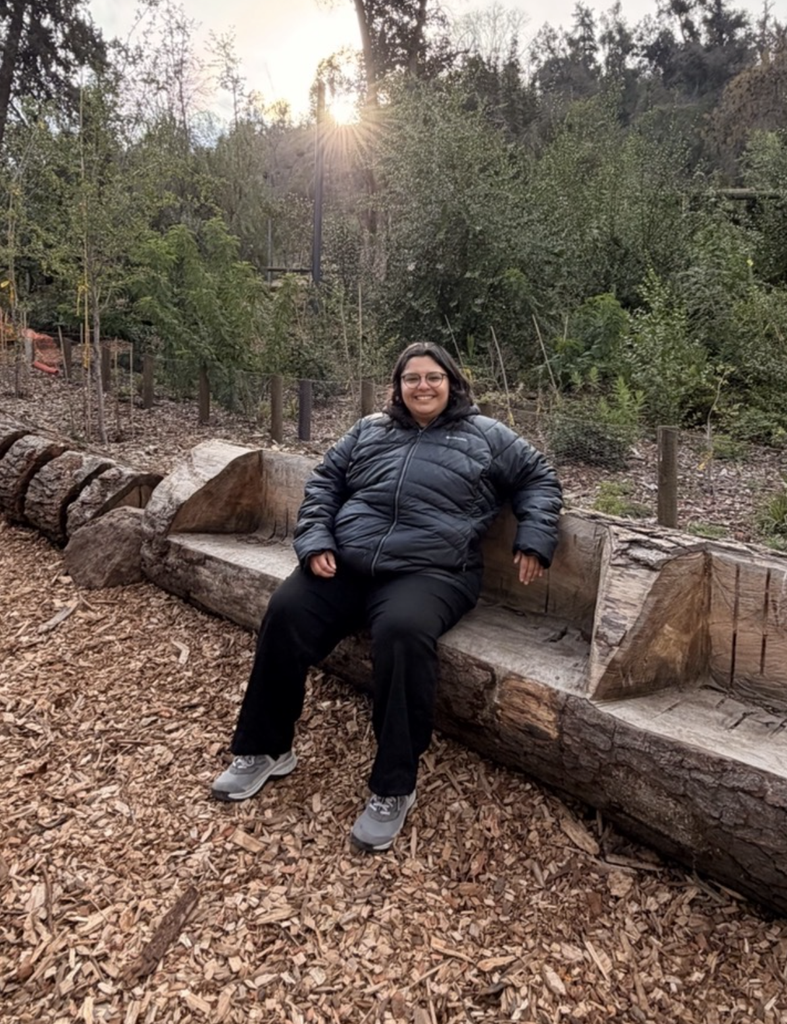
Photo contributed by Magaly Arredondo Lopez
Support for Austin Vida’s mental health coverage is made possible by the Ortiz Therapy Group.
Mis queridos familiares y amistades,
Quiero compartir algo vulnerable con ustedes. In a society that is deeply fatphobic, being in a larger body can be damn hard. Not only does being in a larger body affect how you physically fit and take up space in public (buses, cars, chairs, couches, plane seats, roller coaster seats, etc.), but it also affects how you mentally and emotionally feel about yourself and whether or not you feel adequate, attractive, lovable, welcome, and seen.
I am often self-aware (or self-conscious) about my body, my size, and my weight. This is not new. I have spent about 22 of my 30 years of life feeling hyper aware of being fat/big/chubby/gorda/gordita. Before I continue, I need to clarify that when I call myself fat today it is coming from a place of self-awareness and self-description. In recent years, calling myself fat or gorda is similar to me saying I am right handed, I have brown eyes, I am a Latina, etc. In other words, I have done a lot of inner work to see my body with kindness, compassion, respect, and some days even neutrality. My deepest hope and desire is that I stop seeing this body of mine as bad or inadequate and can, instead, see it as strong, good, and enough. After all, this body is my vessel; este cuerpo es mi hogar.
I distinctly remember the feeling of going to the doctor as a third grader and hearing that I was the dreaded word: overweight. I even remember the exact number of pounds I weighed after all these years. It was around this age that the comments, concerns, and questions began. “Estás gordita.” “¿Has subido de peso, no?” I don’t necessarily remember the exact “concerns” I have heard from familia, amigos, maestros, or doctores throughout the years. I do, however, remember the feelings and thoughts that began circling around my head at a young age: I am too big. Too fat. Something is wrong with me and I have to fix it in order to be good or acceptable or lovable.
Mi corazón es más fuerte hoy que cuando tenía 8 años. As a child and adolescent, there were periods of time where I felt suffocated with self-hatred and a deep feeling of inadequacy. As a teenager, I never imagined myself ever loving or even liking my body. I genuinely believed I would always hate myself. Sit with me for a moment and reflect on that. Can you picture a child or teen in your life right now? What do you most desire for them? How would you like them to feel about themselves? Looking back now, I hold my younger self with mucha ternura y compasión. Ella sólo quería ser suficiente. Sólo quería sentirse aceptada y amada. She just wanted to feel at peace with herself. I bet your younger self did, too.
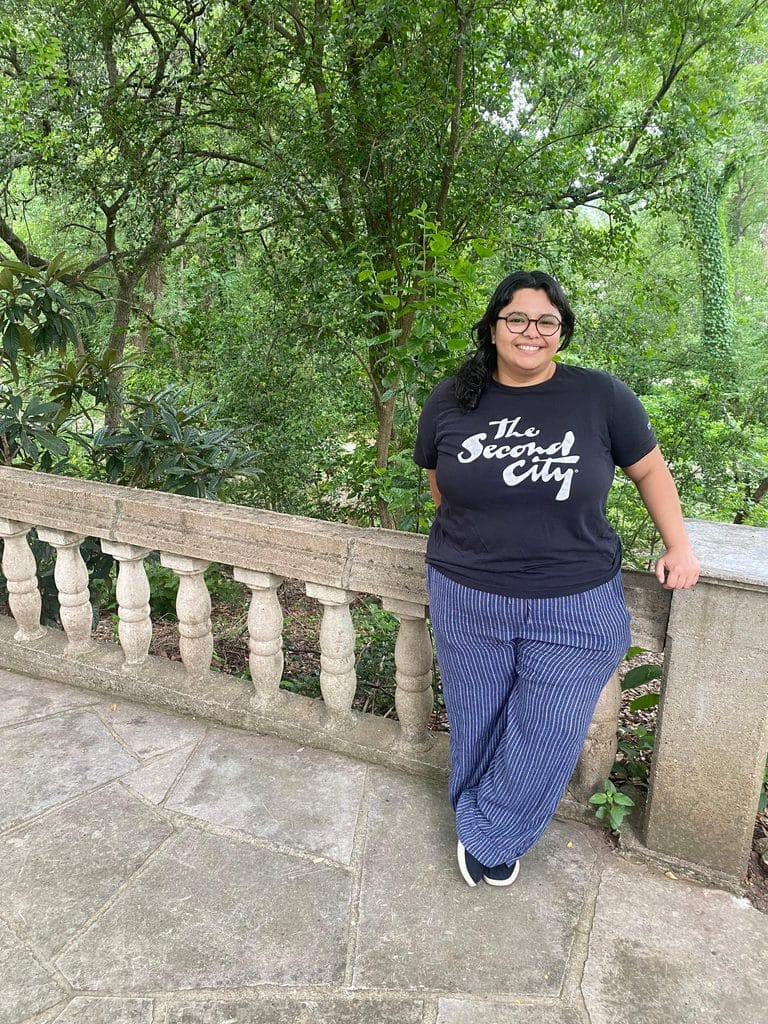
Photo contributed by Magaly Arredondo Lopez
Mi Ofrenda Para Ti
No tengo todas las respuestas. I am still letting go of the shame and guilt I was taught to feel. This, today, is the beginning of a conversation I want to continue to have with y’all.
For now, aquí les comparto mi ofrenda:
- Refleja. Reflect. Ask yourself what your ideas of fatness, thinness, health, and beauty are. How do you view yourself and others? What thoughts pop into your head when you see bigger bodies? What thoughts and feelings come up about your own body?
- Sé paciente con ti mismx. Be patient with yourself. If and when criticism, discomfort, shame, hate, dislike, or any tough feelings come up after you reflect, make room for them. Allow them to be there and try not to judge them.
- Ten curiosidad. Have curiosity. Consider accessing books, podcasts, documentaries, and other media that opens your worldview up to new ideas and information about bodies, health, body liberation, and more. Here are some suggestions:
- The Body is Not an Apology by Sonya Renee Taylor
- Decolonizing Wellness by Dalia Kinsey
- Powerful Resources for Real World Healing compiled by Dalia Kinsey
- Reclaiming Body Trust: a Path to Healing and Liberation by Hilary Kinavey and Dana Sturtevant
- Center for Body Trust resources (podcast, books, etc.).
- “You Just Need to Lose Weight” and 19 Other Myths About Fat People by Aubrey Gordon
- Práctica agradecimiento por tu cuerpo. Practice gratitude for your body. Sometimes we focus so much on what we dislike about our body that we overlook how incredible our body is and everything it does for us. Have you ever considered listing two to three reasons you appreciate your hands or your eyes or your feet for what they offer you? Note: Perhaps you face chronic illness, pain, or disability and your body functions differently than other peoples. I see you, I hear you. May you also find gratitude, care, warmth, and joy in all that your body offers you.
Espero que podamos continuar esta conversación, queridos. Un fuerte abrazo y mis mejores deseos para cada uno de ustedes.
Gentle note: Sometimes we need a little help. If you or someone you know is experiencing a mental health crisis, including thoughts of self-harm or suicide, or is simply having a tough time, consider reaching out to the following resources. No estas solx.
Si quieres ayuda / if you want help:
- Llama 988 y presiona 2 para Servicios en español. Para iniciar una conversación de mensaje de texto en español, envía la palabra AYUDA a 988.
- For deaf and hard of hearing people, you can reach out to 988 Videophone with a Videophone number. If you do not have one, check out these resources.
- Dial or text 988 to connect with the Suicide & Crisis Lifeline.
You can also text HOME to 741741 to connect with the Crisis Text Line.
A message from our Mental Health sponsor:
At Ortiz Therapy Group, we’re passionate about people sharing their stories and acknowledge the privilege it is when they’re shared with us.
En Ortiz Therapy Group, nos apasiona que las personas compartan sus historias y reconocemos el privilegio que es cuando las comparten con nosotros.
Author

Related Articles
Mental Health Ofrenda: How to Practice Self-Care When Supporting Loved Ones with Mental Illnesses or Challenges
Loving someone through a mental health struggle can feel incredibly heavy, but our latest Mental Health Ofrenda column looks at community toolkits and other tips to help you share the care and protect your own salud.
Mental Health Ofrenda: How Empathy Can Be Window Into Comunidad
When we care for one another, we begin to heal not just individually, but as a comunidad. Austin Vida mental health columnist offers places you can start during challenging times.
Mental Health Ofrenda Holiday Edition: Sharing Humanidad Across Differences
As families gather this holiday season, we reflect on balancing mental health and finding connection across differences.