
My Austin Vida: Finding Enoughness in Being Biracial
How I found resilience in the power of my identity. This personal essay is part of the My Austin Vida community essay series highlighting the Austin Latinidad experience.
What are you?
I got asked this question a lot when I moved to Austin in 2002. My initial reaction was usually anger followed by confusion. I thought the question was posed to me as if I were an alien and my response should be: “Human? Female? What do you think I am?”
I never considered myself to look anything other than white until I moved here. Growing up in the Rio Grande Valley, I was white. With a mother from Costa Rica and a father from Michigan, I was always the güera who had a funny accent in Spanish. Imagine my surprise when I moved to Austin and people could tell I was different just by looking at me (most of the time).
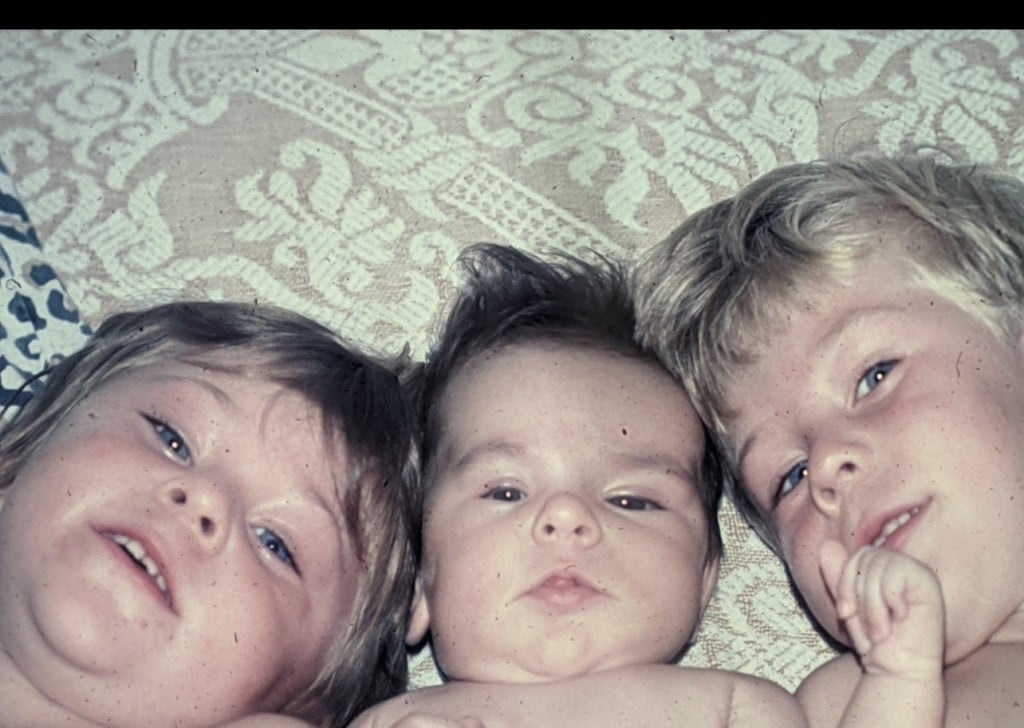
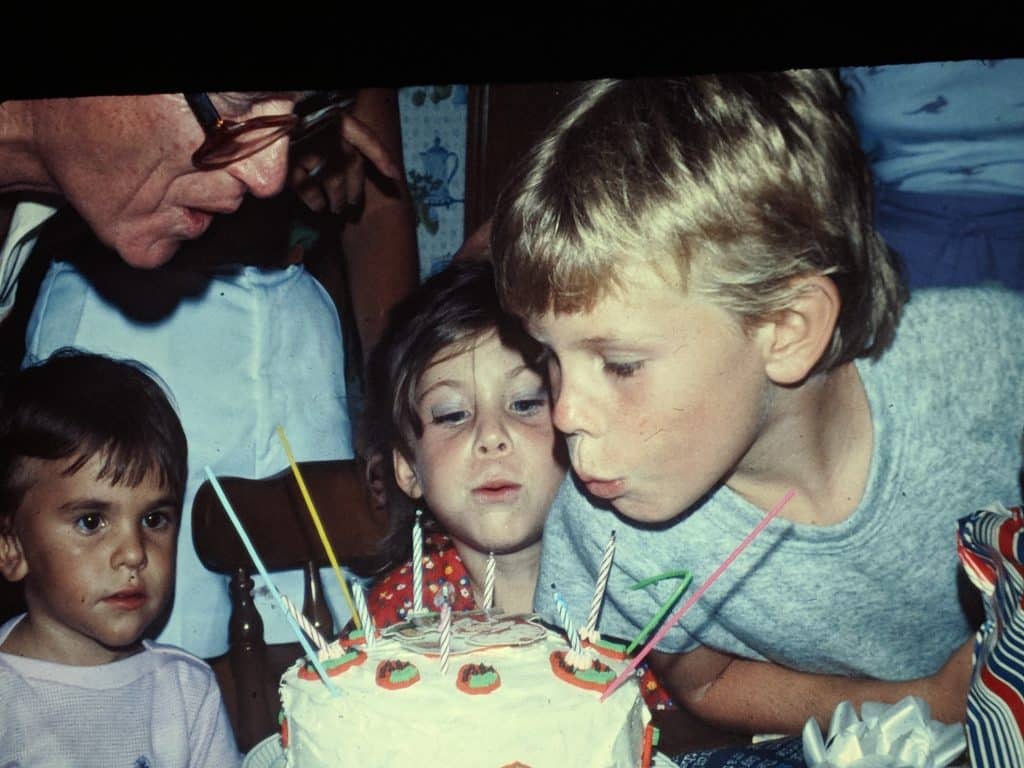
At home, my older brother and sister were born with blue eyes and platinum blonde hair – our father’s lineage strongly influencing their traits. Then there was me. Mi morenita is what my mother called me. The “darker” of the children with brown hair and brown eyes. My siblings would tease that I didn’t belong in the family because I didn’t share their lighter traits. When this seemingly harmless teasing would happen, mami would scoop me up, tears streaming down my light olive cheeks and say, “You look like me, chiquita. I am so happy to have one child who looks like me. Tu voz is your power because there’s no one else in the entire mundo quite like me or you.”

That thought was meant to be a comfort, but as a child, the thought was lonely and isolating. No one like me. As an adult and now a mother, I understand how precious that moment was and the importance of individuality.
As a teenager, moving to Austin was a huge goal of mine. The big city seemed alluring and Brownsville felt like a hindrance to my future, but I suppose that is how many young minds think of their hometown.
It didn’t take long for me to find some gente in college at Texas State and around Austin. Unfortunately, in finding these pockets of friends, as well as in receiving scholarships for Hispanic students, came the same insecurity I’ve carried with me my entire life: enoughness.
Around other Latinos, I didn’t speak Spanish until I had to because I was self-conscious of my accent: my mother’s Costa Rican swirled with Mexican and the Spanglish I grew up speaking on the border. I also hyphenated my mother’s surname so that people could tell I was Latina just by name. I wanted to embrace my heritage. I wanted people to know. Doing so helped me win internships and scholarships that were targeted toward Latino and Hispanic students. This was the only way I would be given a fair shot because after all, I am biracial. There were parts of me that wondered – was this money meant for someone more Latina? Do I qualify? I questioned whether or not I should even apply, but was encouraged to by several professors.
In Brownsville, I was considered white by many of my young peers because most of them were Mexican and had darker skin. They often didn’t know I was half Latina until I was forced to speak Spanish, and even then my accent wasn’t Mexican enough. In Austin, I was lumped into the we-don’t-know-what-you-are-but-you-aren’t-white group. So, I wasn’t white enough.
When I became a journalist I felt I wasn’t taken seriously. The times I felt valuable were when I needed to translate for other journalists, but why couldn’t they learn Spanish or hire a translator? Why wasn’t my writing valued more than my ability to speak Spanish? There were times when reporters who had never talked to me before would approach me as if we’d spoken a million times prior and asked me to make a call to someone in Spanish for them. After missing out on several promotions to less qualified white men, and growing tired of being overlooked, I left journalism for education.
As a teacher, I struggled to pass the state’s bilingual exam. In order to teach a bilingual class and earn a coveted stipend, you must pass a four-hour exam consisting of writing, reading, and speaking Spanish. It is much more a language exam than it is the ability to actually teach a curriculum in Spanish. I took the exam several times before deciding the $140 a pop was not worth the inadequateness it made me feel each time I missed the passing mark (by a measly five and two points).
I eventually became an ESL teacher and then an administrator at the Ann Richards School for Young Women Leaders, a school I wanted to join ever since hearing about it from Ann Richards herself at a press conference. Through my time teaching and especially in administration, I often got surprising looks from students and parents whenever I spoke Spanish.
This time, it wasn’t a questioning look of what was I, but a look of relief. The families I encountered were mostly Spanish-speaking and would admit that when they saw me and my name, they assumed I only spoke English. They never hesitated to tell me how glad and comforting it was to be able to communicate in their native language. It was the first time I felt my Spanish was genuinely appreciated and accepted, even if I lost my subject/verb conjugations from being out of practice.
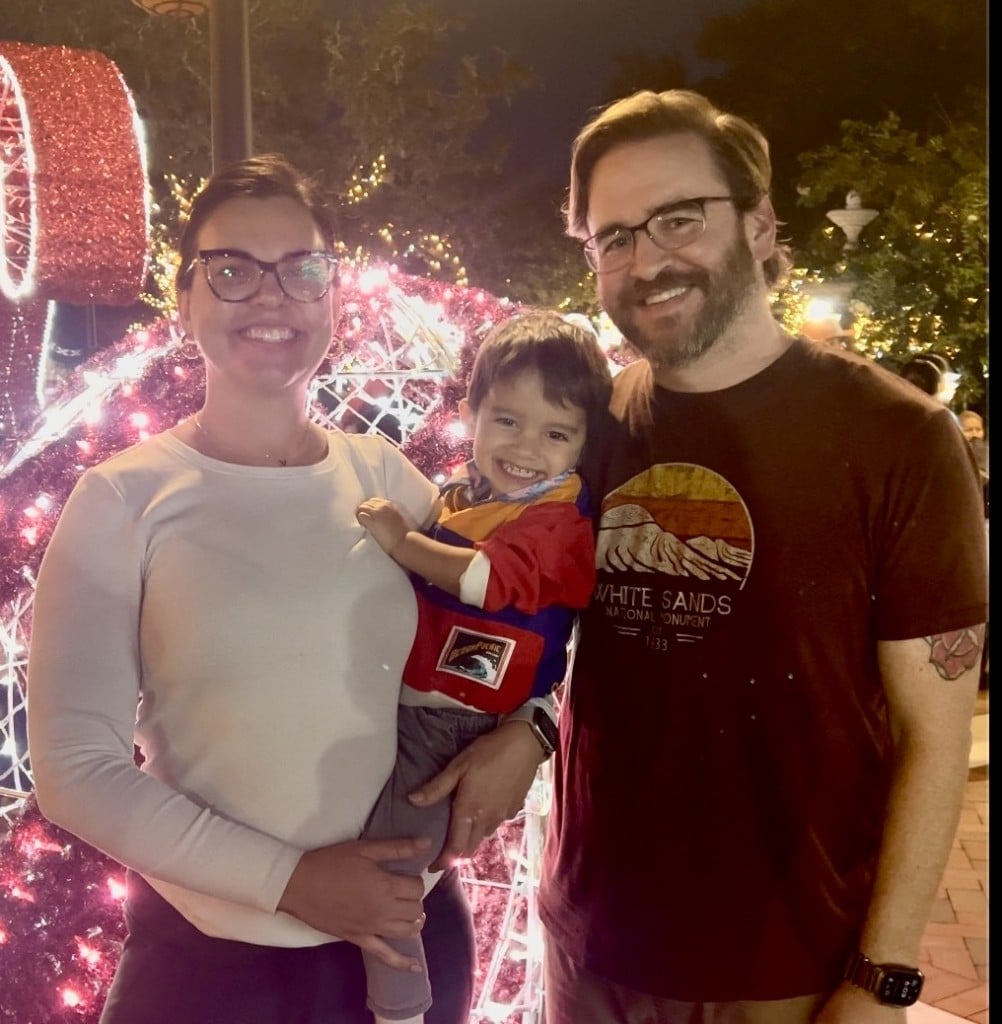
When thinking of what to share for this story, I recalled the prompt we wanted to begin this series with: “Austin Latinidad experience through the lens of resilience.” Surely I had to write about life-changing event, or an encounter with a famous person. Then, I remembered what my mom would tell me as a chiquita, staring back at her in the mirror: “Tu voz is your power because there’s no one else in the entire mundo quite like me or you.” I will pass this on to my own mixed race son because this thought is paramount to understanding who we are. I wish I could protect him from the struggle of identity. I think that is the reality for many of us who are mixed race. I understand now that no one else defines who I am but me.
My story for My Austin Vida was uncomfortable to write because I’ve never written anything so personal for publication, but it has festered in my bones for too long. The powerful realization that my identity is mine to define (and I am enough) is my story of resilience. I hope it encourages Latinos to share their stories of resilience through this series, My Austin Vida. After all, there is no one in the world like you.
Con Amor. Siempre.
Author
Related Articles
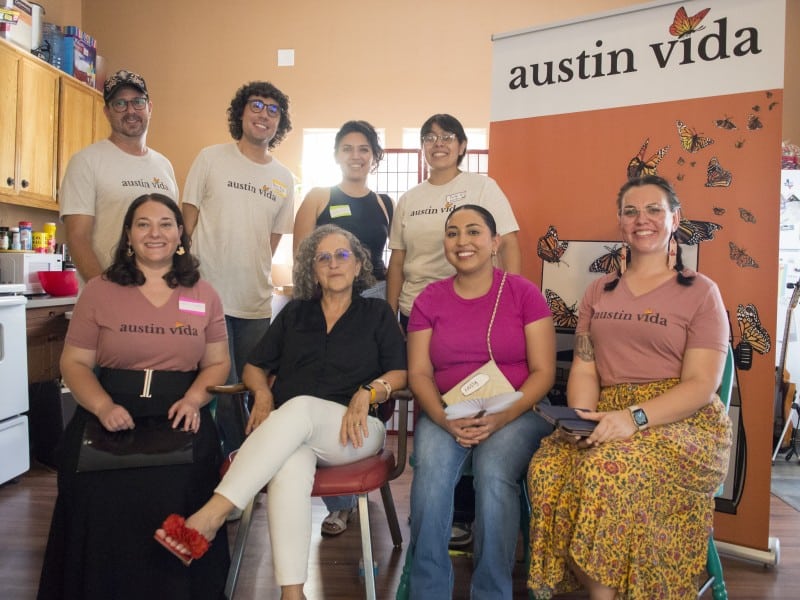
PHOTOS: My Austin Vida, Historias of Resilience Personal Essay Reading Event
Our essayists shared their experiences of identity, community, belonging, and Austin Latinidad through the lens of resilience.

My Austin Vida: When I Felt Like I Belonged Here
How a young Mexicana evolved with Austin. This personal essay is part of the My Austin Vida community essay series highlighting the Austin Latinidad experience.

My Austin Vida: How Finding Community, Courage Helped Me Survive College
Overcoming imposter syndrome and guilt as a first-generation college student demanded brave, transformative steps toward discovering a sense of belonging. This personal essay is part of the My Austin Vida community essay series highlighting the Austin Latinidad experience.