
SXSW 2026 Films that Ask: What Does Moving Forward Look Like for Nuestra Gente?
From Chicano rock legends to young bachata musicians and a trans couple preparing to welcome a child, several South by Southwest Film & TV Festival selections this year explore a shared question: What does it mean to keep going?
What does moving forward look like for nuestra gente?
At this year’s South by Southwest Film & TV Festival, a powerful collection of films centered on Latine and Indigenous stories grapple with that very question. Across documentaries, dramas and genre-bending experimental movies, filmmakers explored resilience, identity and the messy process of continuing despite loss, betrayal, discrimination and change.
An unfaithful husband. The next generation of bachateros. An ancient demon fetus. Transphobia in the Brazilian public health system. Five decades of Chicano rock.
Each story is wildly different, but together they ask the same thing: How do we push forward?
Los Lobos: Native Sons

“Los Lobos: Native Sons” traces the legendary East Los Angeles band’s five-decade journey from playing quinceañeras and neighborhood gigs to launching into international stardom. Along the way, the band endured the grind of touring, industry setbacks and the constant challenge of evolving while staying true to their raíces.
Rather than presenting a polished rock biography, the film focuses on the brotherhood that sustained the group through decades of change. Through archival footage and interviews with fellow cultural icons including Dolores Huerta and Linda Ronstadt, the documentary shows how Los Lobos continued to adapt, experiment and push forward without losing the musical traditions that shaped them.
For younger audiences discovering the band today, the film becomes more than a celebration of a career—it’s a reminder that longevity often depends on comunidad, resilience and the willingness to keep evolving.
At the red carpet premiere, Steve Berlin of Los Lobos said, “It’s about perseverance. It’s always a good lesson.”
RELATED STORY: LOS LOBOS DOCUMENTARY PREMIERES AT SXSW, CELEBRATING DECADES OF CHICANO ROCK
Agridulce
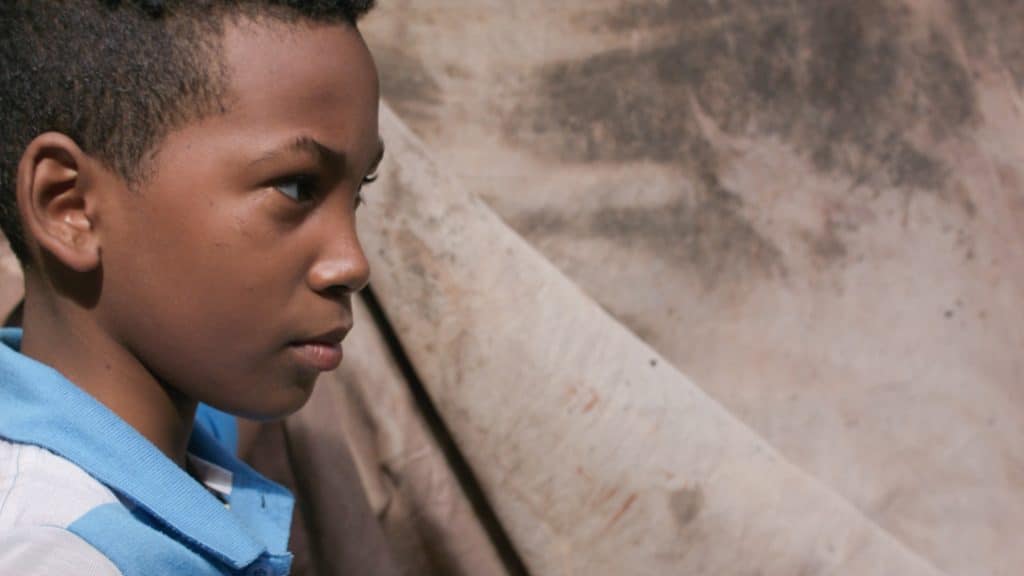
In Cabarete, Dominican Republic, bachata is more than a genre—it’s a part of everyday life.
Filmed over five years, this documentary follows young musicians growing up within the rhythms and traditions of bachata as they begin carving out their own place in the music’s future. Under the mentorship of the renowned Mártires de León at the Academia de Bachata, the next generation of bachateros navigates adolescence, family expectations and the pressure of carrying forward a musical legacy.
The film doesn’t shy away from difficult realities. Moments of candid conversation reveal underlying social tensions in the Dominican Republic, including complicated attitudes surrounding the country’s relationship with neighboring Haiti.
Yet the documentary’s core message remains rooted in connection y comunidad. In “Agridulce,” bachata serves as a bridge between generations, communities and identities, reminding us that even in moments of division, shared culture can keep our gente moving forward.
Marga en el DF
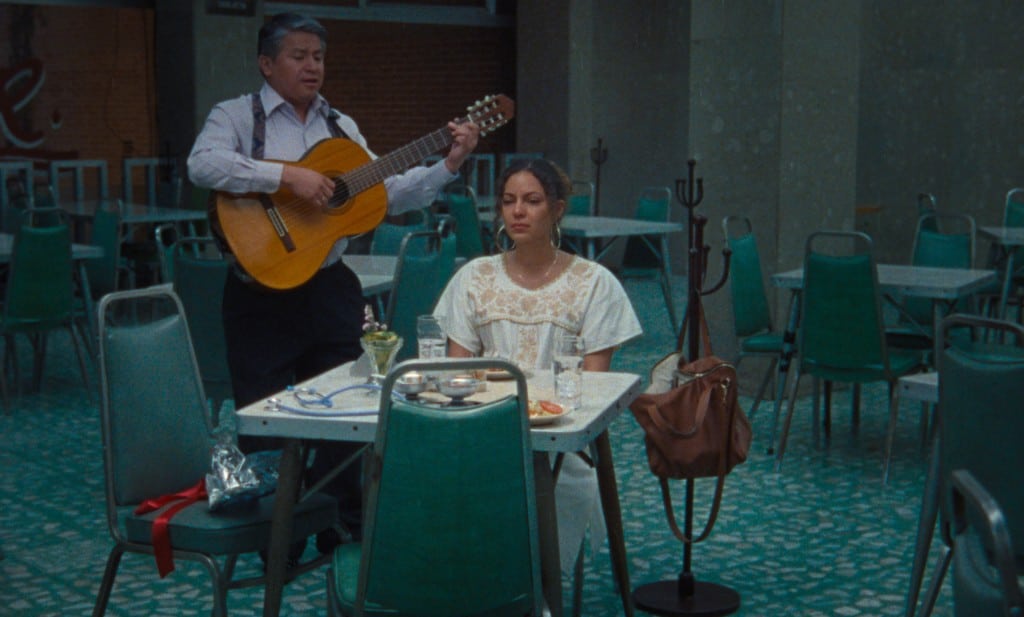
Sometimes moving forward means learning how to walk away.
The short film “Marga en el DF” follows a pregnant Dominican woman who travels to Mexico City to visit her husband, only to discover he’s been unfaithful. Rather than centering confrontation or revenge, the film follows Marga as she begins reclaiming her independence in a city that suddenly feels full of possibility.
Set against the backdrop of news coverage surrounding Selena Quintanilla’s death in 1995, the story unfolds like a wandering reflection on heartbreak and self-discovery. As Marga explores Mexico City, discovering moments of pleasure, joy and freedom, she begins redefining what it means to set boundaries and move forward on her own terms.
Apolo

For Brazilian couple Isis Broken and Lourenzo Duvale, moving forward means building a family in a system that refuses to recognize them and sometimes antagonizes them when it finally does.
The documentary “Apolo” follows the trans couple as they prepare to welcome their son Apolo while navigating discrimination within Brazil’s public health system and society. Their journey exposes the barriers trans people face when seeking medical care, even as they move toward one of life’s most transformative experiences: parenthood.
Throughout the film, Isis reflects on the persistence required to live authentically in the face of prejudice.
“The truth may be delayed but it can never be erased,” she said at the world premiere.
By documenting both vulnerability and strength, Apolo offers a portrait of love, resilience and the determination to create a future for the next generation, while challenging us to rethink what it means to be familia.
Daughters of the Forest
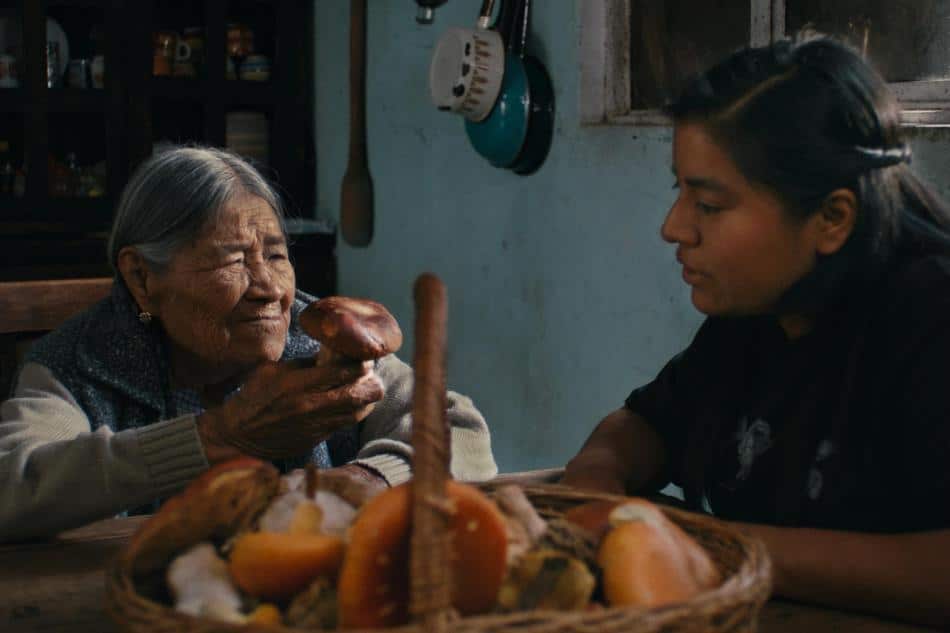
In “Daughters of the Forest,” the act of continuing extends beyond individual lives to the ecosystems that sustain them.
The documentary follows two Indigenous scientists (Lis and Juli) studying mycology and forest ecosystems that their communities have long protected. As logging threatens the land and elders pass away, the women also confront the erosion of language, cultural knowledge and ancestral connections.
Throughout the film, the natural world itself is a narrator. A poetic thread running through the story reminds viewers that life is interconnected and that survival depends on recognizing those bonds.
“Life ends so it can continue, over and over,” the film reflects. “We are all one single web, made of mysteries not yet unraveled.”
The message is simple but urgent: caring for the future requires action in the present.
Fifteen

Not every story about growing up is gentle.
In the dark comedy-horror film, “Fifteen,” the familiar rituals of a quinceañera spiral into chaos as adolescence becomes something far more sinister for protagonists Mayte and Ligia. Beneath the film’s exaggerated violence and over-the-top imagery lies a recognizable truth about teenage life: the fear, anger and confusion that come with crossing the threshold into adulthood.
Through the intense friendship between the girls, the film explores the emotional rollercoaster of adolescence while highlighting the importance of family, loyalty and understanding.
At one point in the film, Vicky, a schoolgirl, bluntly admits what many teenagers quietly feel, “I don’t think I like growing up.”
The Question That Connects Them All
Together, these films reflect a shared theme: moving forward usually doesn’t look neat or feel predictable.
Sometimes it means sustaining a band for five decades. Sometimes it means navigating family pressures while discovering your own ambitions. Sometimes it means walking away from betrayal, raising a child in the face of discrimination, or protecting the ecosystems that sustain entire communities.
But in each story, moving forward remains possible.
And in a political moment when our comunidades across the United States and Latin America are confronting uncertainty, these films offer something necessary: a reminder that resilience, creativity and care continue to shape the future of nuestra gente.
Author

Related Articles
Musicians Show Solidarity as SouthAmericano Fest Unites with Austin’s Beitna
Artists representing music from Latin America, Southwest Asia and North Africa united for a community festival during South by Southwest.

Los Lobos Fever Grips South by Southwest
From film premieres to musical performances, Los Lobos captivated SXSW crowds and spotlighted their more than 50-year journey together.

Los Lobos Documentary Premieres at South by Southwest, Celebrating Decades of Chicano Rock
Fans filled the Paramount Theatre during South by Southwest for the premiere of “Los Lobos: Native Sons,” a film honoring the music, history and Chicano roots of Los Lobos.