
Spotlight On: “The Littlest Grito” Author Nicholas Solis
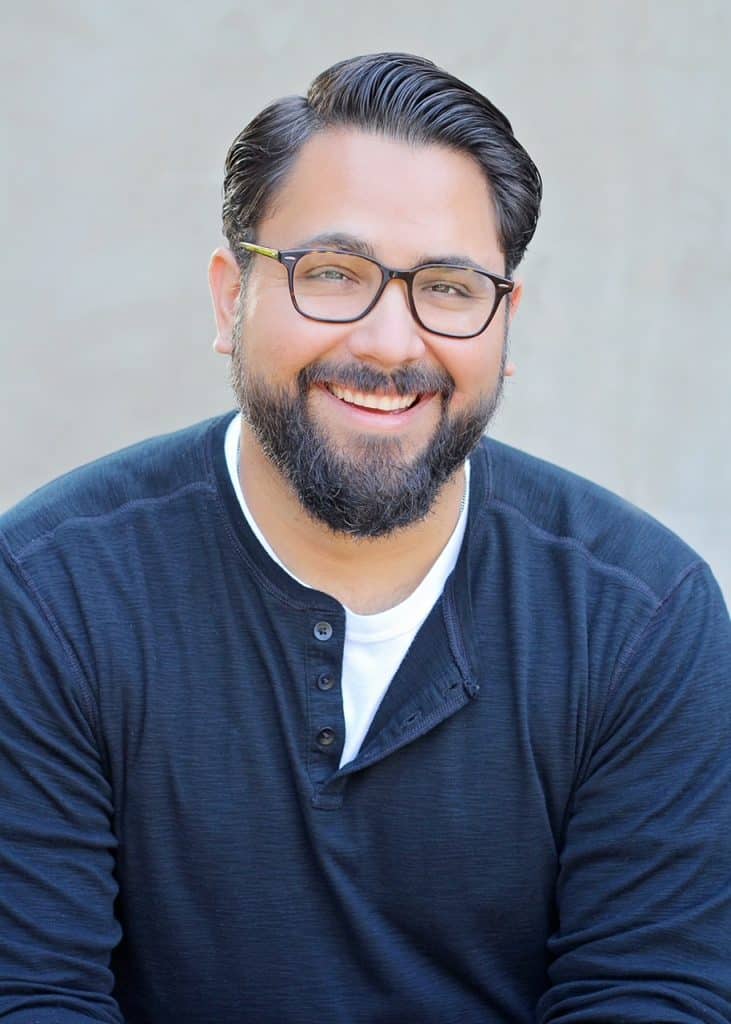
Author and educator Nicholas Solis grew up in Austin. Now, he’s inspiring a love of reading through his childrens books including his latest “The Littlest Grito.”
Book lovers from across the state will soon convene in downtown Austin for the annual Texas Book Festival. We’re highlighting Latinidad at the festival, spotlighting authors and books that are telling diverse stories of our gente and cultura.
The free festival goes from Nov. 16-17 and features programming such as the Leamos Tent, which shines a light on Latine/Hispanic authors and literature in Spanish. Plus, check out the Hablemos Tent, led by the Hablemos Escritoras group. Attendees can find a slate of bilingual programs in Spanish and English for adults and children in both the Leamos Tent and the Read Me a Story Tent. View the full schedule here.
Ahead of the festival, we caught up with Austin native Nicholas Solis whose children’s book “The Littlest Grito” will be among those featured at the festival. Catch Solis on Sunday at the Read Me a Story Tent and on the panel “Inspiring a Love of Reading: From the Classroom to the Living Room.”
Parts of this interview originally aired on the “Austin Cultura” radio show, a partnership between Austin Vida and KUT 90.5 FM. You can listen to the show during the first Friday of the month or catch it online here. Interview has been edited for length and clarity.
AUSTIN VIDA: Nicholas, your debut book released in 2020 and you’ve been on a roll ever since publishing regularly. What inspired you to want to write for kids?
SOLIS: It’s interesting because my dad about two years ago sent me this book that I made when I was 12. I’ve actually been writing stories since I was about 8, like poetry and things like that. But, he sent me this full book. It even had a dedication to my little brother. It was a rhyming book. It actually flows really well.
Growing up, my parents divorced and so we had to move a lot. I found that reading and writing was a great way to kind of escape into myself and I always kind of had a friend there, whether it was through a book or through a journal, something like that. So I’ve been writing for a very, very long time.
AUSTIN VIDA: What was your experience growing up Latino in Austin?
SOLIS: I haven’t talked about this a lot and I kind of want to explore it a little bit more. My family is from Brownsville right along the border, so we’d visit there a lot. But I was born and raised in Austin. And growing up in Austin, speaking Spanish was often looked down upon and so that wasn’t something that was exposed to me much.
I was always in schools that blended lots of different cultures, but it wasn’t primarily like a Hispanic-focused culture. So it’s this very weird divide sometimes where I struggle, like where do I fit in as far as being Latino in Austin.
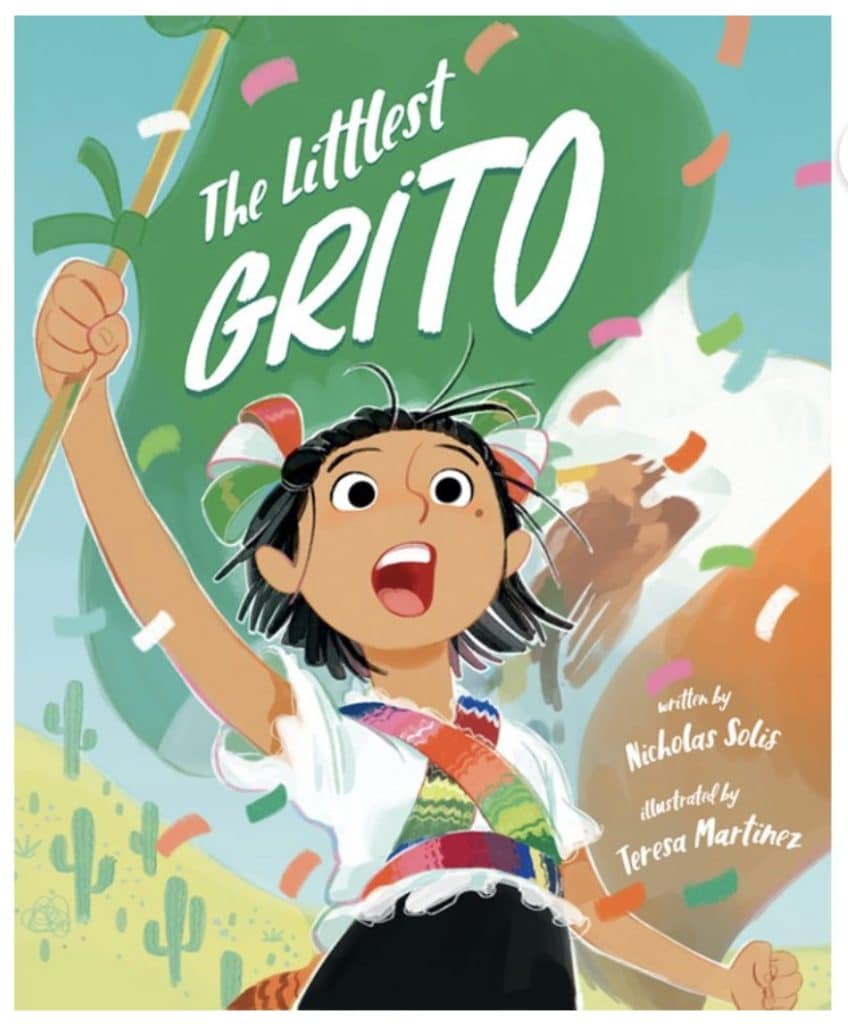
AUSTIN VIDA: Tell us about your latest book “The Littlest Grito.”
SOLIS: Growing up I would hear gritos with mariachis. My mom was a big dancer and we’d go to fiestas or weddings, and you’d hear the grito all the time. And then in high school, I joined an organization called the National Hispanic Institute. That’s where I truly felt like I fit in. I was with a bunch of people who looked like me. Some spoke Spanish, some did not. At night we’d have these big parties and there’d be dances and there would be gritos there as well.
So when I write these books, I try to think about something from my childhood. And so that’s what led to “The Littlest Grito.” I wanted a story that talked about the grito with a strong female character, finding her voice, finding her courage. And so that’s where that all started. Then, I did a deep dive into history and I found out how the grito was connected to the Mexican Revolution.
AUSTIN VIDA: You’ve described yourself as a shy kid. How did you discover your voice?
SOLIS: I dedicated my second book “The Color Collector” to a friend named Dylan. A lot of times when we’re kids, we don’t feel like we have voices. We don’t feel like we have power. You know, we’re told by our parents what to do. We’re told by teachers what to do.
And Dylan was a kid in the eighth grade. I moved around a lot, so it was rough and I had a hard time. But then I sat down at one of my classes and this kid Dylan said hi. And that was it – hi. And the next day he talked to me a little bit more, and we started to become friends. And this dude was popular. He was really popular, but he was also really kind. And because of that, I made friends with his friends. Then, I came out of my shell and I made my own friends. And I think about that constantly – a simple word of “hi” changed my life.
I want kids to understand the power that they have with their voice. We can use our voices to make the world a better place. And how are we going to use those voices?
Author

Related Articles

Where to Celebrate Latine Heritage Month 2026 in Austin
From film festivals to photo exhibits, there are plenty of cultural art events in Austin to celebrate National Latine Heritage Month.
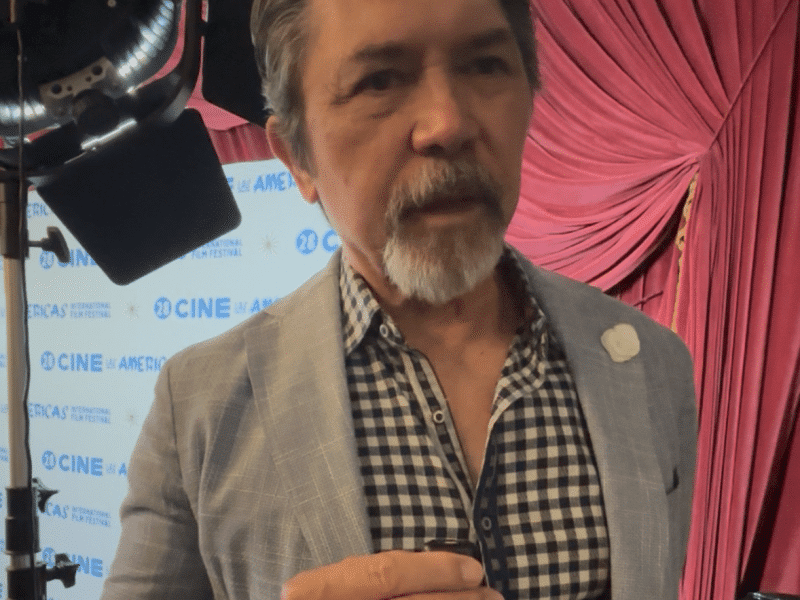
Austin Honors “La Bamba” Icon Lou Diamond Phillips
Actor Lou Diamond Phillips received his own official day in Austin after screening his latest summer film at the Cine Las Americas International Film Festival.
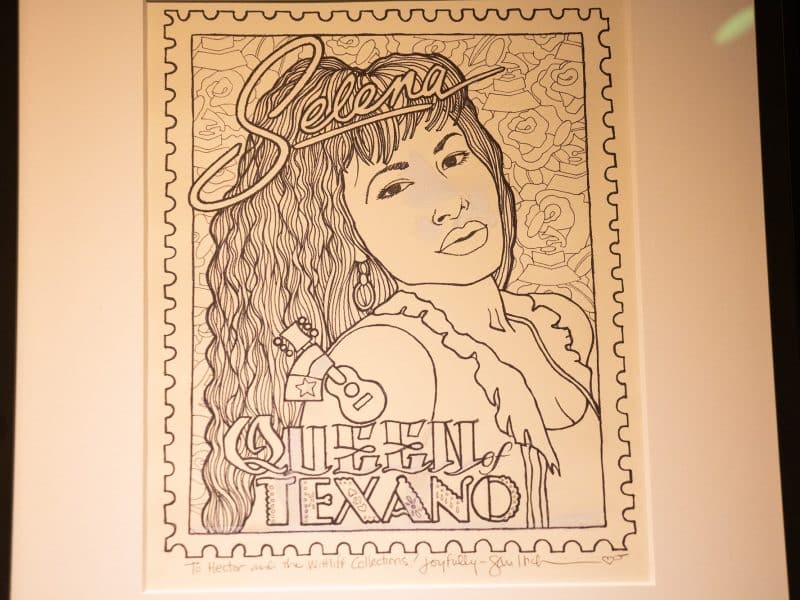
Viva La Reina: How Selena Lives on through Art and Culture
As fans worldwide celebrate Selena in April, a Texas exhibit honors Selena’s enduring cultural impact through December 2026.