
Comic Creators Find Community, Visibility at MexAmeriCon, BIPOC Pop
Comic book conventions and events like MexAmeriCon and BIPOC Pop in Austin help boost growing network of Latine illustrators who are expanding representation in comics through borderland stories and bold new voices.
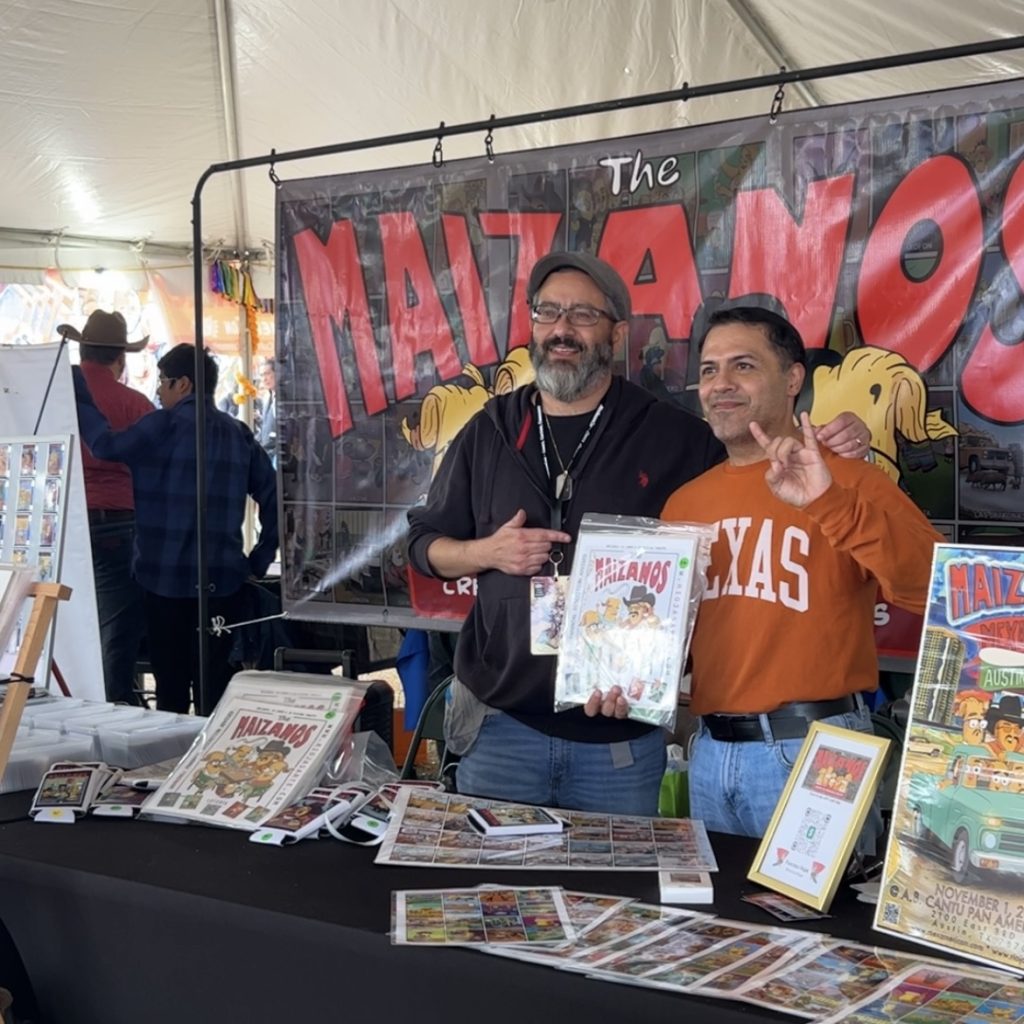
When Francisco Riojas was in elementary school, he shared his dream of becoming an animator with a counselor. But his dream was met with laughter when the counselor told him that it’s hard to make it in that type of job.
For Riojas, who is from the border town Eagle Pass, Texas, it was rare to see people around him focus on art as a career. Many people’s work there, he said, is centered on survival. When he later gave comics another try, he leaned into political satire in the same border town that has since made national headlines for everything from the border wall to President Donald Trump’s visits to the city.
“People really enjoy (my comics) and they connect with it because what I have been creating reflects our culture, reflects our kind of people that live and grow up along the border,” Riojas said.
His goal to have his own animated series for his comic strip “The Maizanos,” is what drew him this past fall to Austin’s MexAmeriCon, a comic book convention that showcases Mexican American and Latine comics, zines, manga and graphic novels. MexAmeriCon is part of a growing movement of illustrators of color in the country coming together.
Spaces for Latine artists saw a lot of growth in the past decade, said Nino Miranda, MexAmeriCon’s cultural director. He helped start the event eight years ago after he saw other cities host similar events and felt like there was a gap in the Latine comics community in Austin.
Miranda said the event started with about 15 participants, and it now has around 40. Their first events drew crowds close to 500, but in their latest events, that number has ballooned to nearly 4,000. He said they have drawn participants from around the world, but the majority come from other Texas cities.
“We’re just trying to create a space for the artists to showcase their work and to build community and be able to gather,” Miranda said.
Latine artist representation has grown since the early 2000s, and has also brought more LGBTQ+ and gender representation, said Frederick Aldama, a University of Texas professor who will host an expo and symposium in March called BIPOC PoP. The three-day event brings together creators, scholars, and industry professionals to celebrate comics, gaming, animation and multi-media arts.
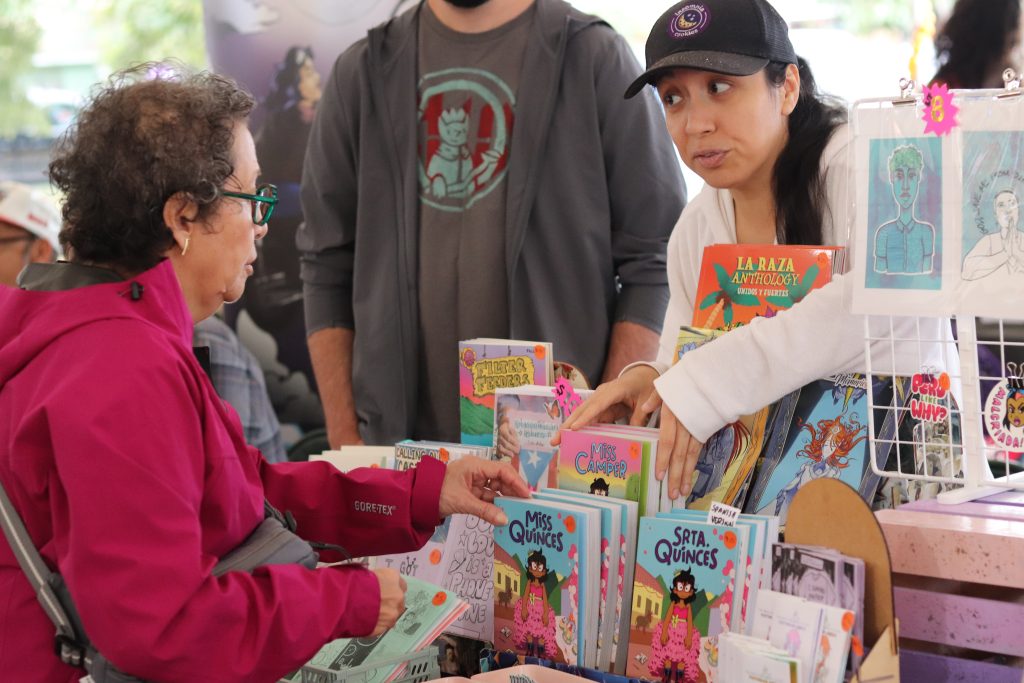
“We’re telling our stories deliberately to complicate and expand the journeys, the fictions and the nonfictions of the many complex ways that we are Latinos in this country,” Aldama said.
He said that while creators have seen more representation in the media, large media companies often shy away from showing mainstream representation because they fear it might not sell.
Aldama said a lot of illustrators turn to comic books because people can easily illustrate books at home, and it does not require money upfront to a media company.
“We aren’t sitting around twiddling thumbs,” Aldama said. “That’s why you have so many comic book creators.”
However, creating a comic book at home can take years. Austinite Isabel Jaimes said she first thought of her series, “Tattered Memories,” in 2008. It took her years to publish it because she struggled balancing her job and her comics.
“It’s such a time consuming hobby, and making each page full color was taking between 15 to 30 hours to complete,” Jaimes said.
In 2021, she published smaller zines with her comics, which motivated her to start publishing her own printed comic books. She joined ATX Comix Meetup this year and has been trying to meet other artists through their monthly meetings and events, like at MexAmeriCon.
“I really like the vibe of the event,” Jaimes said. “It’s pretty chill. I also like discovering other local Latina artists.”
San Antonio-based illustrator Monica Leyva has become a regular attendee since the first MexAmeriCon. Since then, she is constantly hopping between artistic events to keep her network growing while sharing her own work.
After feeling disconnected from the comic world in the midst of the pandemic, she said it’s nice seeing other Latina artists who are in the same position as her.
“We believe it’s a very unique event, and there should be more events like it,” Leyva said. “We hope it can grow — and it has grown — and I hope the organizers keep doing what they’re doing because it makes a difference in people’s lives.”
IF YOU GO
BIPOC POP 2026
March 5-7
Learn more at bipocpop.org.
MexAmeriCon
Annual event happens in the fall. Visit mexamericon.com for updates.
Author

Related Articles
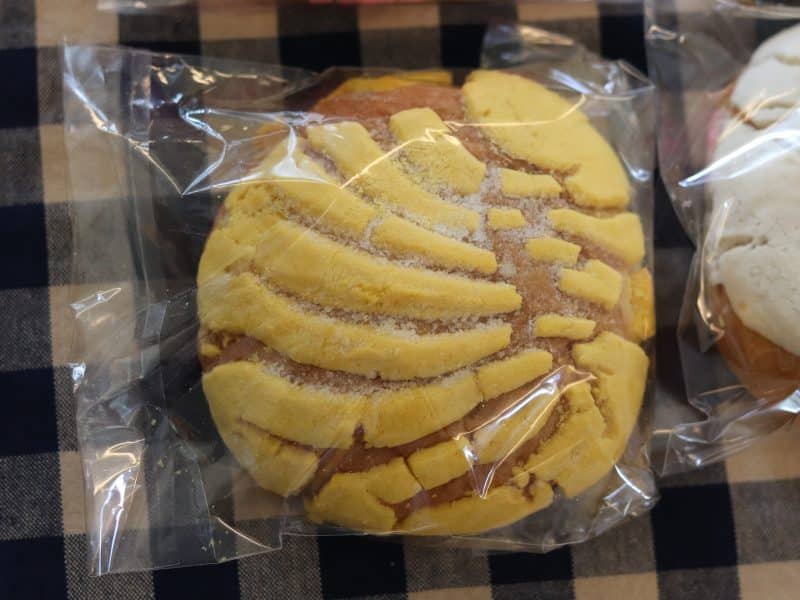
From France to Mexico to East Austin: The Sweet Story of Pan Dulce
A “Taste of History” event at the French Legation State Historic Site explored how 19th-century French techniques and Mexican ingredients combined to create a staple that still sweetens Austin mornings.
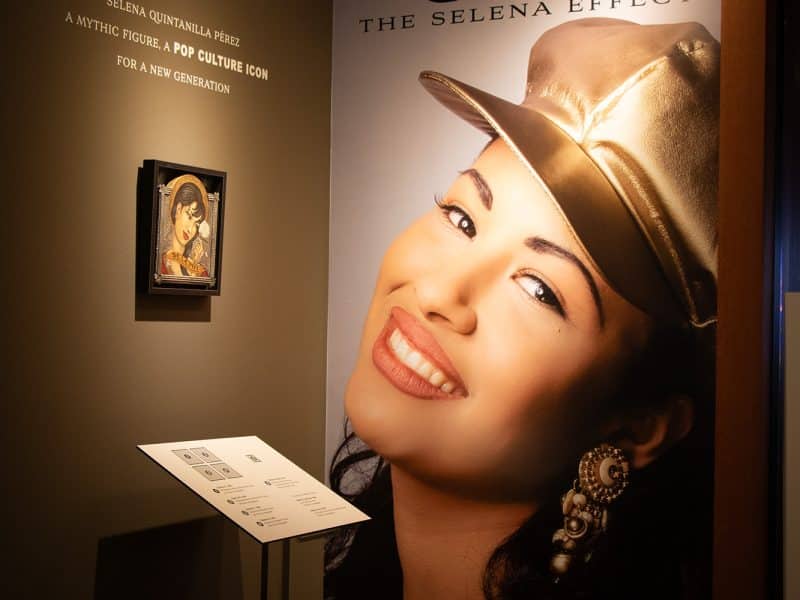
Como la Flor, Still Blooming
Through art, fashion and photography, “The Selena Effect” exhibit at The Wittliff Collections captures Selena Quintanilla’s essence for all generations and celebrates a spirit that still inspires today.

5 Ways to Kick Off Hispanic Heritage Month in Austin 2025
From film festivals to cultural showcases, there are plenty of ways to honor National Hispanic Heritage Month 2025 in Austin.