
Comunidad Shines in these 5 SXSW Films
We highlighted five South by Southwest films that broke barriers and made us reflect on our cultura. They communicate the importance of familia and comunidad.
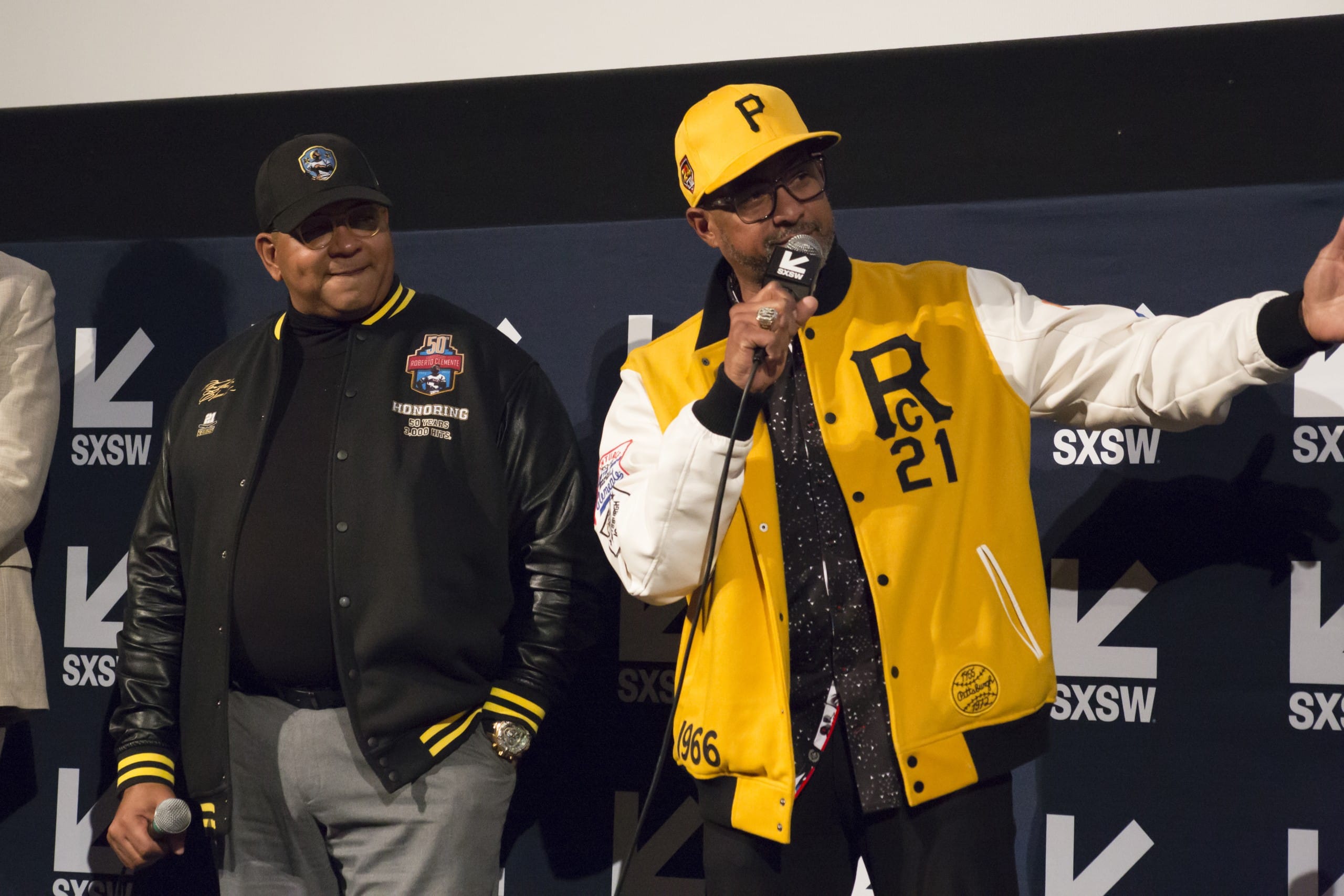
“Clemente” celebrated the life of Major League Baseball legend Roberto Clemente. Through this film, director David Altrogge captured the rich story of Clemente not only on the field but also off the field.
Clemente paved the way in the 1960s for many Latinos who dreamed of joining the MLB. At a young age, Clemente showed signs of becoming a great player through his athleticism compared to other boys. Throughout the film, Clemente’s talent is showcased during his 18 seasons with the Pittsburgh Pirates. He won a National League MVP and two World Series titles. Despite his success, Clemente suffered from racial abuse for much of his time in the league from racial slurs to sports writers taking his comments out of context to make him look uneducated. For that reason, Clemente often referred to himself as a third-class citizen because he was a Black Latino who spoke Spanish.
Furthermore, as a result of the injustices he faced, Clemente tried his best to represent Latinos in a positive way. He abstained from partying and controversial activities that would jeopardize his image even more. He wanted to be the perfect role model for Latinos in the baseball league. Clemente wasn’t moved by money or fame; he was simply a man of the people.
“Clemente” had a theme of working hard to achieve your goals, but more importantly, to give back to your community. Unforgettable moments were shown to highlight how Clemente treated people with respect and dignity. When he won his first World Series, the first thing he did was celebrate with the fans because they were the ones who paid his salary to allow him to play. Clemente was a man of the people, always willing to take time out of his day to interact with other people and fans.
After the film screening, Roberto Clemente Jr. talked about his father and the impact he left before he passed away.
“We need to help each other out, to care for each other, and unify because that’s what the Clemente name signifies: unity, goodwill,” he said. “And I believe that this is actually a start of hopefully a movement where we can actually start bonding and caring about each other the right way.”
Clemente’s story inspires us to never forget our roots and heritage. Although Clemente died young at the age of 38, his life serves as a reminder that we’re on Earth for a short while. We need to make the most out of our time.
Catch the film at SXSW on March 14 at the Stateside Theater.
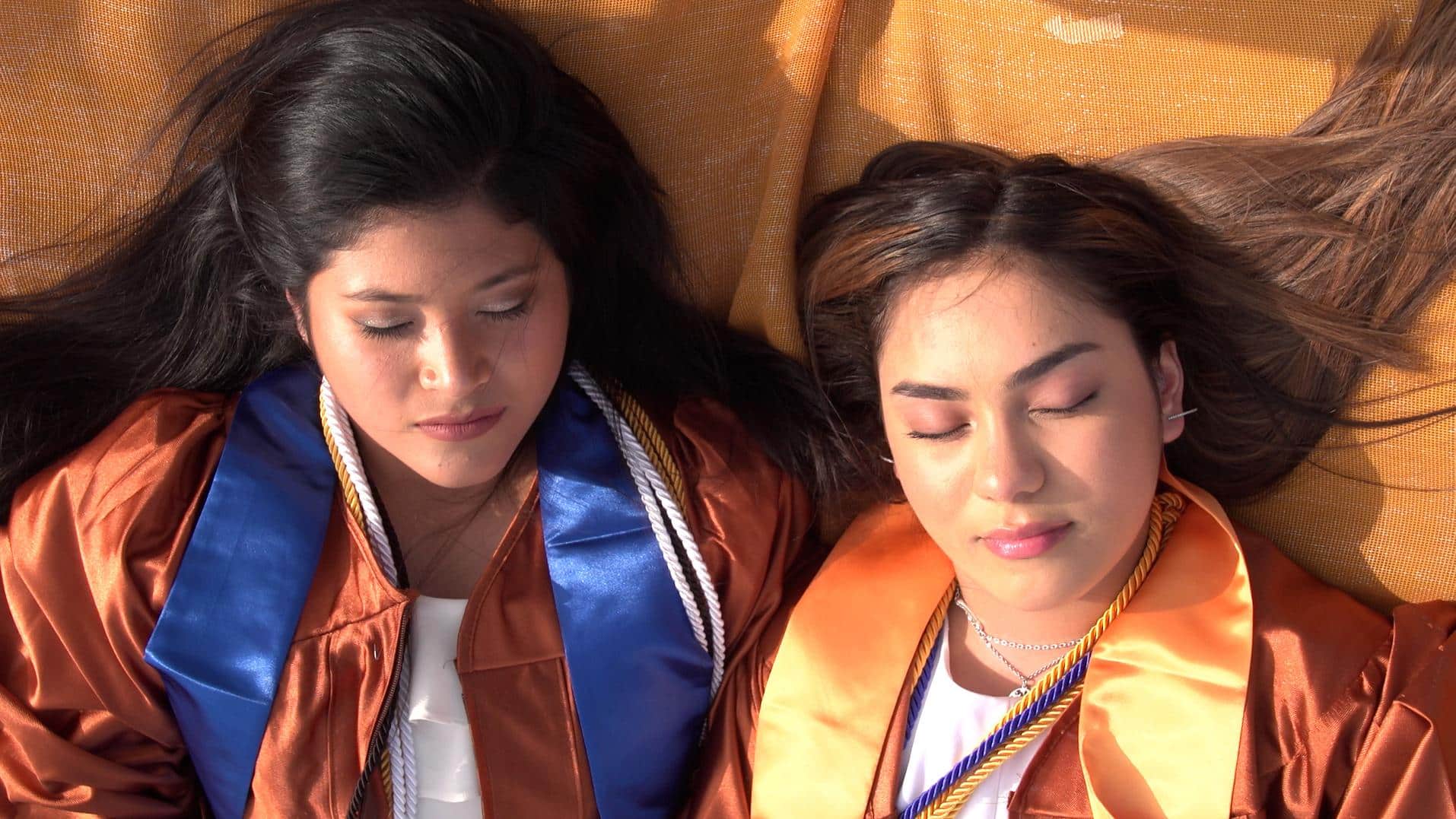
“The In Between”
Filmmaker and director Robie Flores shared the nostalgia she felt growing up in Eagle Pass, Texas, in her film “The In Between.”
Flores returned to her hometown of Eagle Pass, Texas, after her brother Marcelo passed away. That’s when memories of a unique life in a border town were reawakened. In the documentary, Flores portrayed the lives of the residents and activities that take place within the small town. She wanted the public to “see Eagle Pass through the eyes of the people.”
While home, Flores found videos that Marcelo took documenting everyday life in Eagle Pass which made her think about why she never lived in the present as her brother did. With her film, she showed the humble beginnings and peaceful life of her beloved border town.
In a Q&A session after the film, Flores shared how dear the documentary was to her and how it was truly inspired by her hometown as well as navigating grief.
“It was sort of a coming of age process for me and growing and accepting I’m from this side and this is my experience,” Flores said.
From the documentary, we learn the importance of never forgetting about your hometown and community. These things shape who you are, regardless of where life may take you.
Catch the film at SXSW on March 15 at the Alamo Drafthouse on South Lamar.
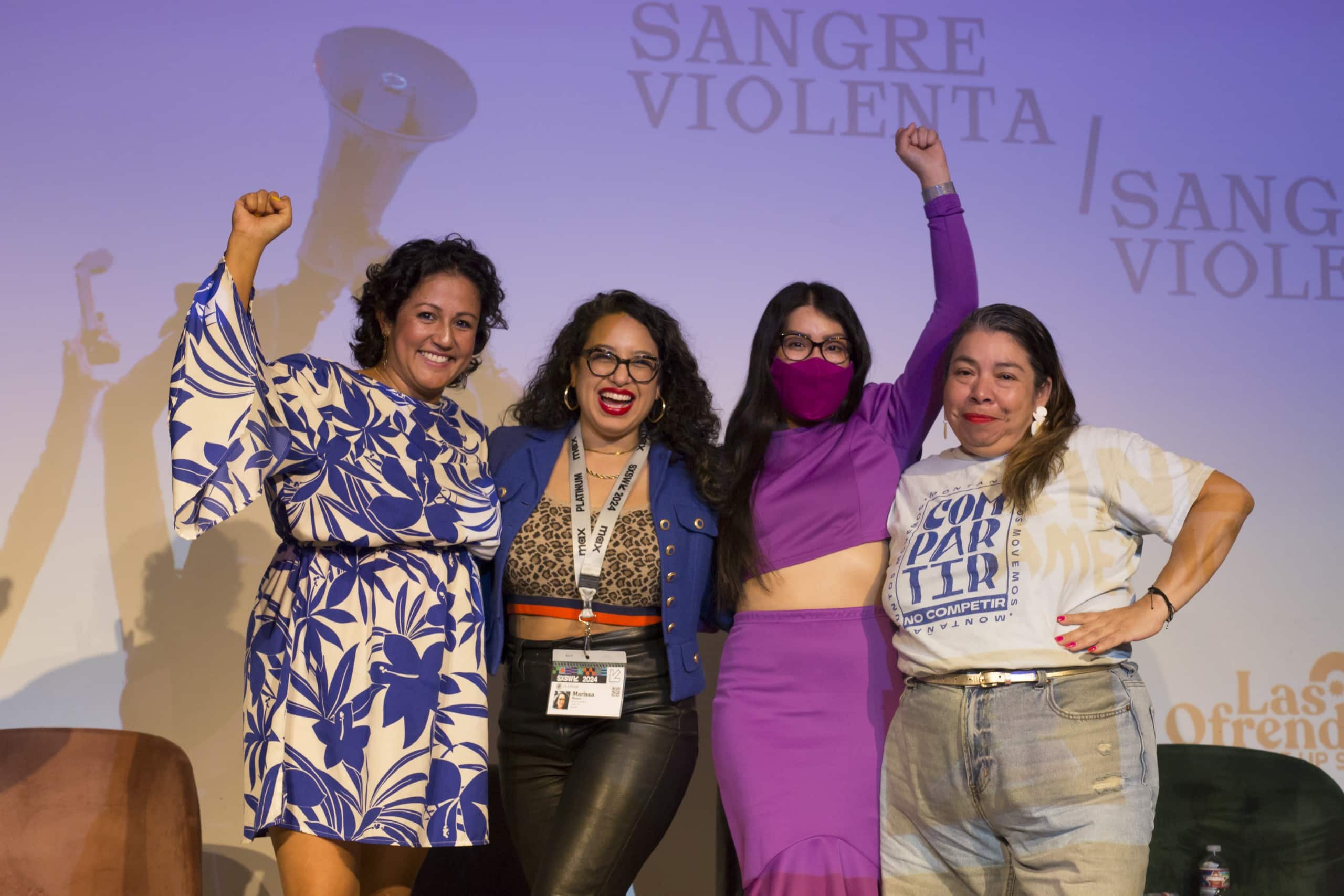
“Sangre Violenta/Sangre Violeta”
“Sangre Violenta/Sangre Violeta,” directed by Edna Diaz and Arturo R. Jiménez, depicted the violence against women in Mexico through a collection of narratives.
The film began with a grieving father who identified as a feminist after he lost his 7-year-old daughter to a femicide – intentional murder of a woman because of her gender. According to the film, 10 women are murdered every day in Mexico with little to no justice. This led to the rise of feminist groups protesting and marching in the streets of Mexico, sometimes leading to altercations. For this reason, the film pointed out how the Mexican government now sees feminist groups as a bigger threat than the cartels.
Femicides continue to surface in Mexico and throughout Latin America. In the short documentary, Maria Elena Ríos shared her testimony of surviving an acid attack planned by her ex-boyfriend. She shared how this experience changed her life forever. It ignited a fire in her to advocate for all the women who have died because of gender violence and who are currently dealing with abuse.
After the screening, a discussion took place with Ríos sharing more details about her experience. She said she would like to see more men become educated about what women face in Mexico and hoped that could lead to more advocates against the suppression of women’s rights.
“The only thing we ask is men to be respectful and that they not violate us. It’s that simple, but we complicate things,” Ríos said.
The film showed that community is paramount in trying to overcome injustice. Because of the horrors women in Mexico have faced, they have formed communities to defend women’s rights and freedoms. As a result of their efforts, they have made a few political advances in the country. Recently, “La ley Malena,” a law named after Ríos, was passed in the city of Mexico that now punishes acid attacks with up to 30 years in prison.
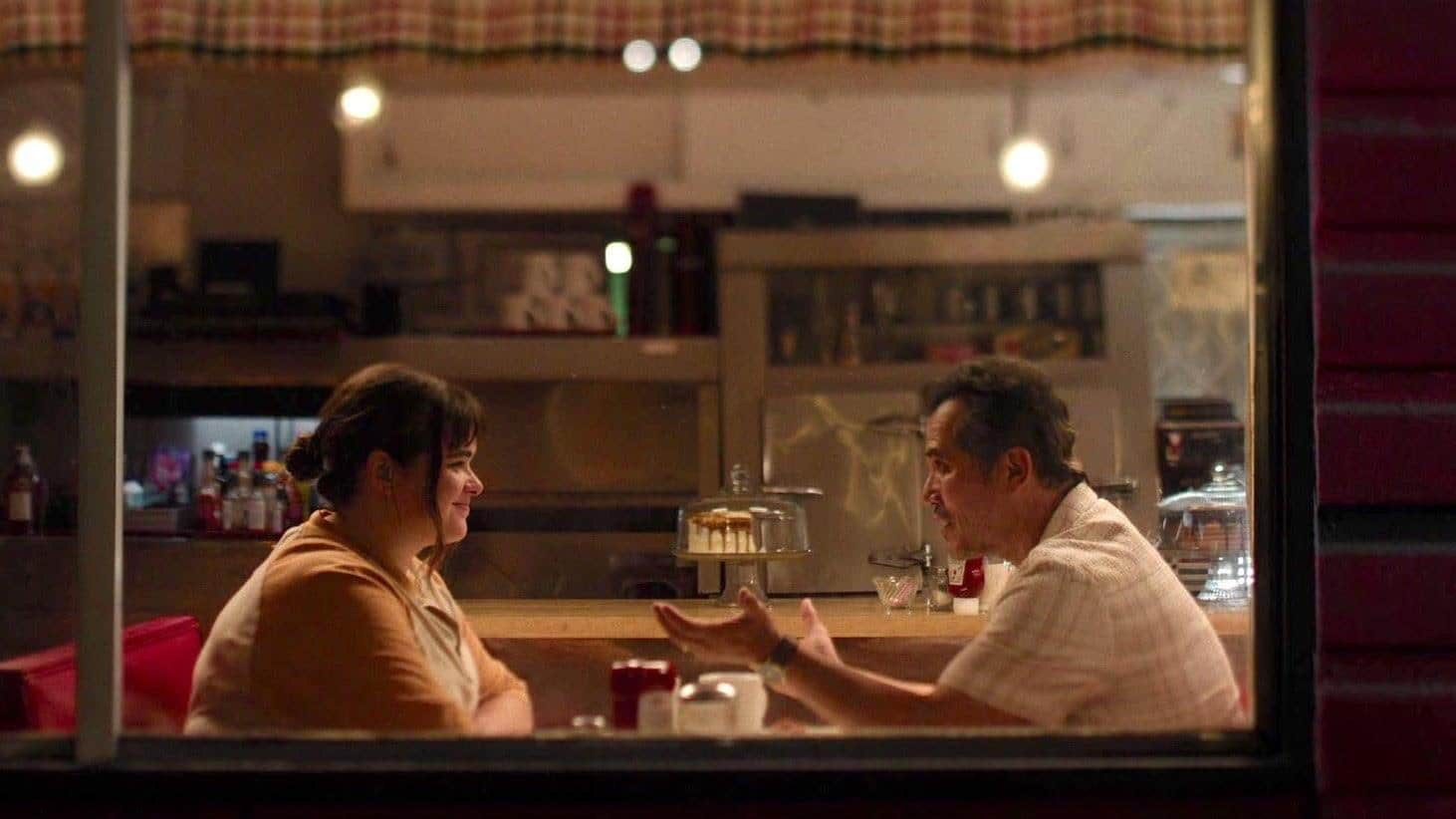
Based on a true story, “Bob Trevino Likes It” centers on Lily Trevino’s longing for a father-daughter relationship. She ended up befriending someone with the same name as her estranged father on Facebook. Director Tracie Laymon highlighted her own experience in this film.
The film follows Lily, played by Barbie Ferreira, who has issues with her father, Bob Trevino. In the film, when Lily is around her father, she is belittled by his attitude and behavior. One night her father invites Lily to come over and meet his girlfriend, only for Lily to ruin his plans by accidentally exposing his facade of being a successful man. As a result, her father abandons her in his anger. This saddened Lily as she only wanted a father who was not constantly mistreating her. In her despair, she went on Facebook and befriended an older man with her father’s name.
They began to message back and forth until they met up in person. This other Bob Trevino, played by John Leguizamo, proved to be the friend and father Lily was looking for. They began to hang out even more and developed a sound relationship until he passed away. Despite Lily being devastated by the news, she realized that she needed to be grateful for the memories they made.
The film reminded us that family and community remain a foundation of life. Without these two things, it can be difficult to feel loved and supported.
Catch the film at SXSW on March 16 at the Alamo Drafthouse on South Lamar.
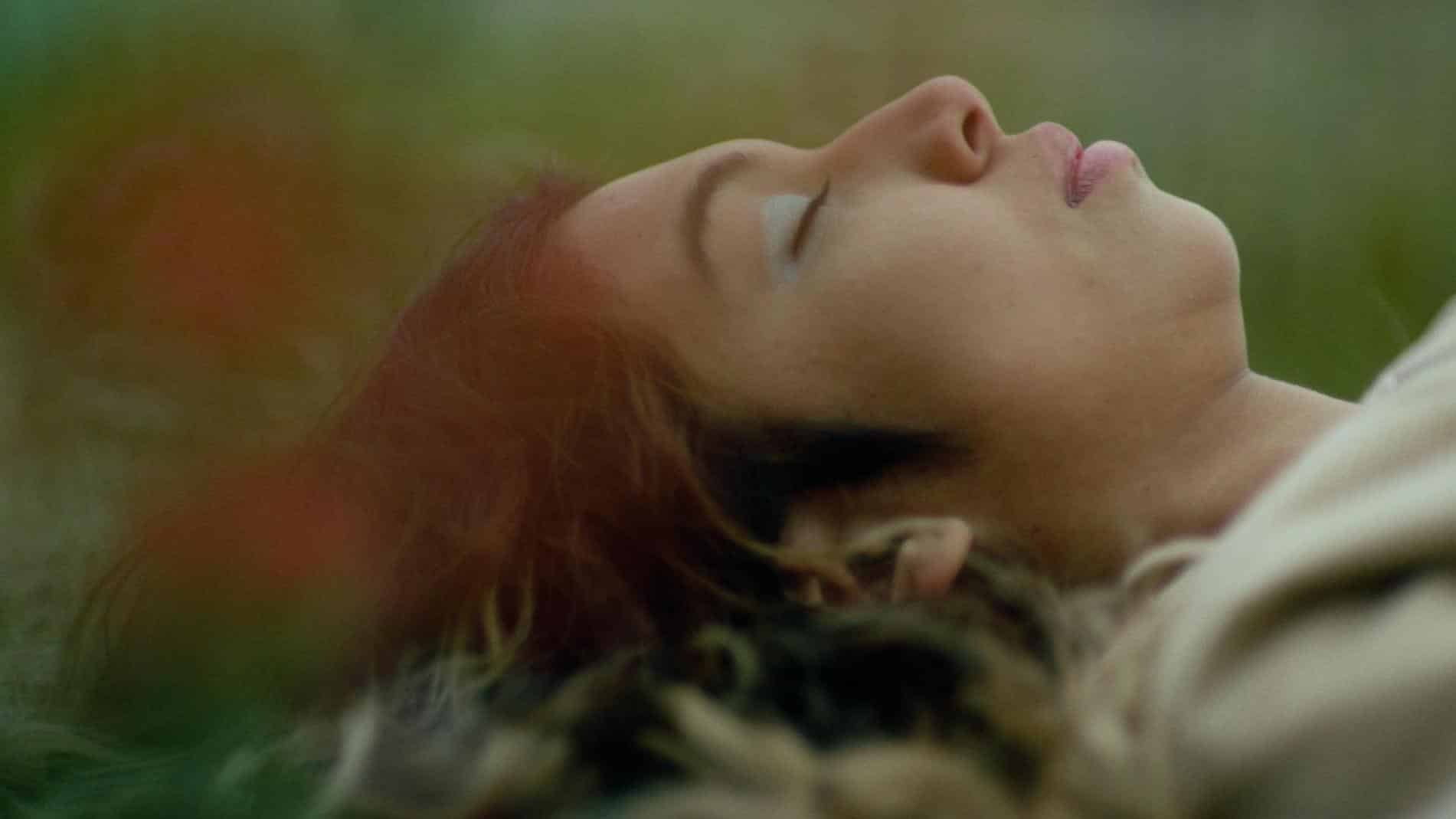
“Los Mosquitos” showed the depth of what many migrants experience trying to navigate a foreign country. Directed by Nichole Chi, she captured the raw reality of migrant households.
In the film, Aby, a 15-year-old Honduran girl navigates the complexities of being a foreigner in the United States along with her younger cousin Natalia.
The opening scene started with their caregiver, Magdalena, calling out Aby for getting high. She reprimanded Aby for her behavior telling her “what was the point of even bringing you here in the first place.” This sets off Aby’s rebellious attitude causing her to reject Magdalena’s invitation to celebrate Thanksgiving and even talk rudely to her younger cousin. In an attempt to distance herself from everything that she’s dealing with, she decides to leave home only to feel guilt about her actions and return back home.
The relatable film highlighted the tight-knit community of Latinos and showed the struggles that arise when migrating to a new country.
SEE MORE: Cheech & Chong, Roberto Clemente Doc, Cine Las Americas Community Screening
Author
Related Articles
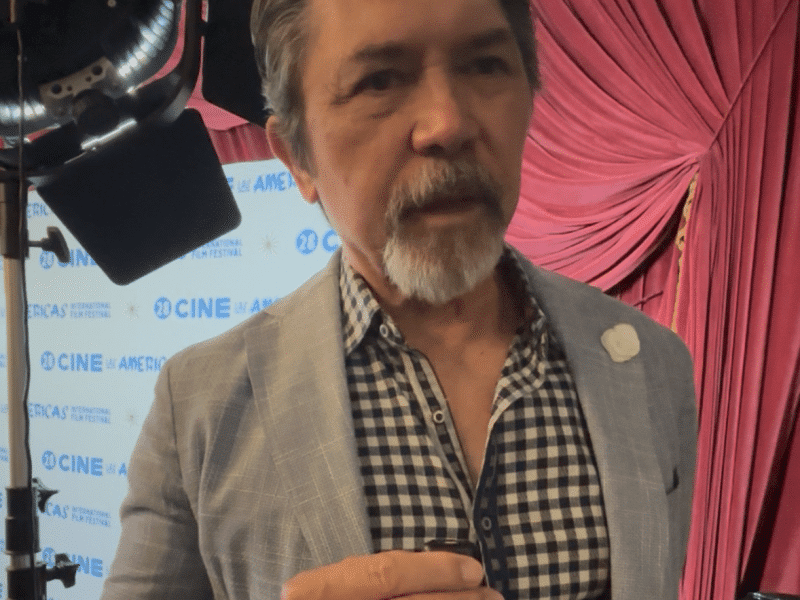
Austin Honors “La Bamba” Icon Lou Diamond Phillips
Actor Lou Diamond Phillips received his own official day in Austin after screening his latest summer film at the Cine Las Americas International Film Festival.
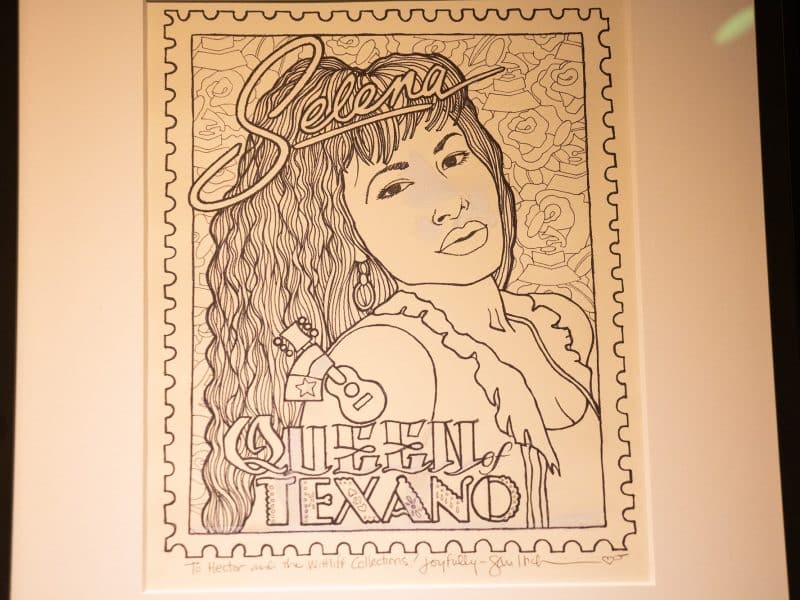
Viva La Reina: How Selena Lives on through Art and Culture
As fans worldwide celebrate Selena in April, a Texas exhibit honors Selena’s enduring cultural impact through December 2026.
Where to Celebrate Selena’s Birthday in Austin 2026
In Texas, April 16 is Selena Day, a time when Selena fans commemorate the anniversary of her birthday with various celebrations throughout April. Check out how Austin will honor her legacy.