
Dove Springs Residents Left Out in the Heat
During Austin’s record-breaking heat, Austin Vida teamed up with Austin PBS’ Decibel to highlight residents most affected by the scorching temperatures.
This story was co-published as part of a partnership between Latino news and culture site Austin Vida and Austin PBS’ Decibel, a community journalism project currently reporting on housing issues in Dove Springs.
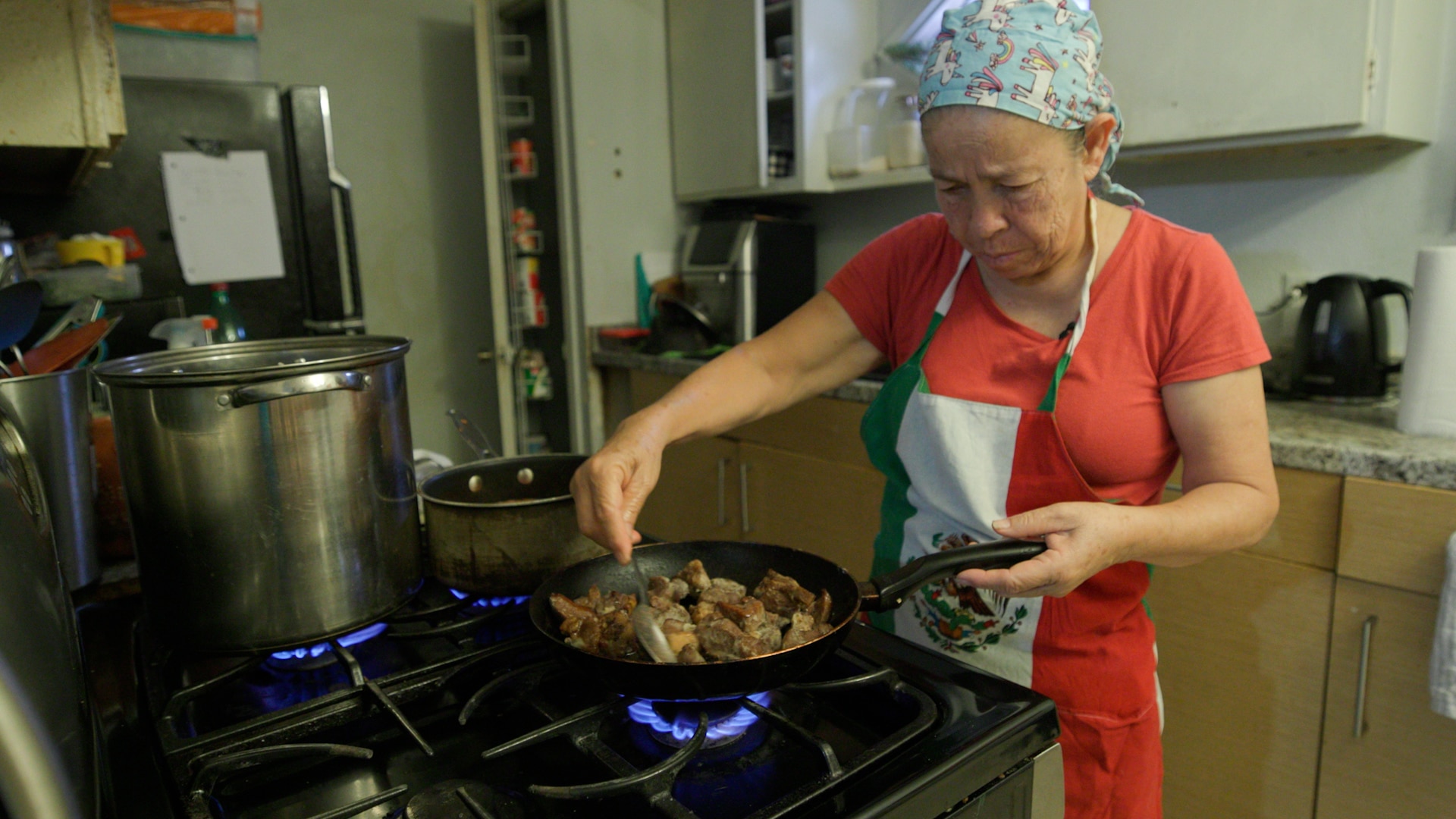
“What I would give to stay here asleep, lying down in peace, but I have to work,” Bertha Hernández said in Spanish.
The 65-year-old Dove Springs resident, among many others in the area, experiences disproportionate impacts from the urban heat island effect. These heat islands occur in areas with less green spaces and canopies that make it easier to trap heat in buildings and pavement, raising temperatures by five to 10 degrees more than other parts of a city. The consequences of rising temperatures include higher energy bills and health issues, which place a heavier burden on lower-income communities with fewer resources and less city investment.
“It’s difficult for someone to help you because those of us who understand each other are the same ones who don’t have money,” Hernández said.
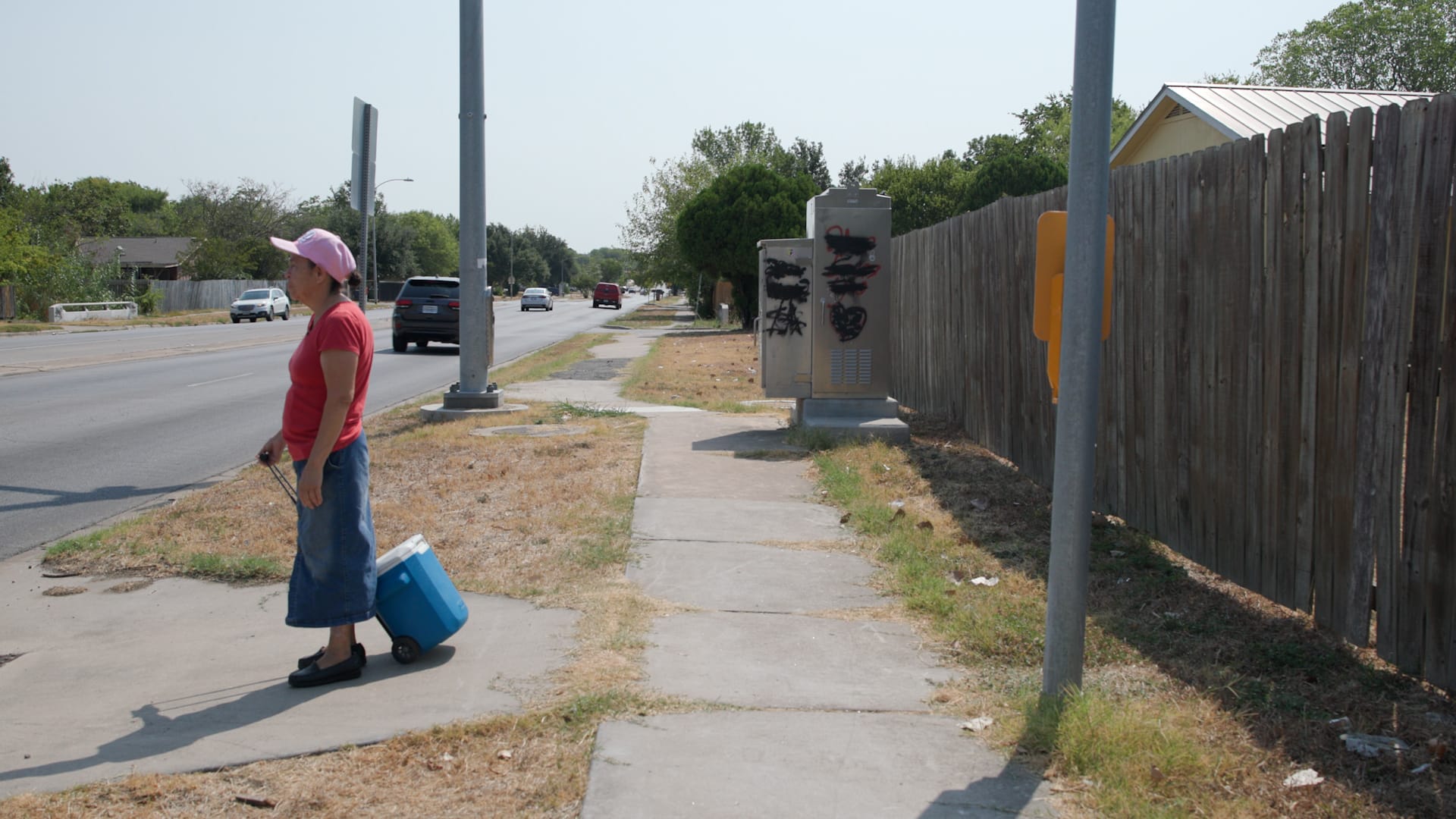
Selling tamales and pupusas for a living, Hernández walks out in the scorching heat to deliver her homemade meals. Though she used to go door-to-door to take orders, she now relies on phone orders because of the heat. This summer, Hernández said she made less money since she had less access to customers, making the rising energy bills more difficult to afford.
“When are we left homeless?” Hernández said. “Because how do we pay rent, and how do we pay the electricity? Or pay the rent or pay the electricity?”
RELATED: CHECK OUT VIDEO AND STORY FROM PART ONE OF OUR HEAT ISLAND SERIES
Some days Hernández said she chooses to keep the air conditioning units off to save money, a decision that can be harmful to her health. According to Kevin Lanza, assistant professor at the School of Public Health at the Austin regional campus of the University of Texas Health Houston, higher temperatures can lead to negative health issues ranging from heat rashes to heat strokes.
“Being exposed to high temperatures, whether indoors or outdoors, is a major public health concern that goes beyond simply feeling uncomfortable or sweaty,” Lanza said.
“We have to move forward, even if the light is on our face,” Hernández said. “Even if it’s hot, we can’t stay inside without doing anything. We have to go out to work and then put ourselves in the hands of God and get ahead.”
Related Articles

Chef José Andrés Shines Light on Power of Comida, Comunidad and Unexpected Heroism at SXSW
From the kitchen to the comic book page, José Andrés used his SXSW Hall of Fame spotlight to highlight the power of food, community and everyday acts of heroism.
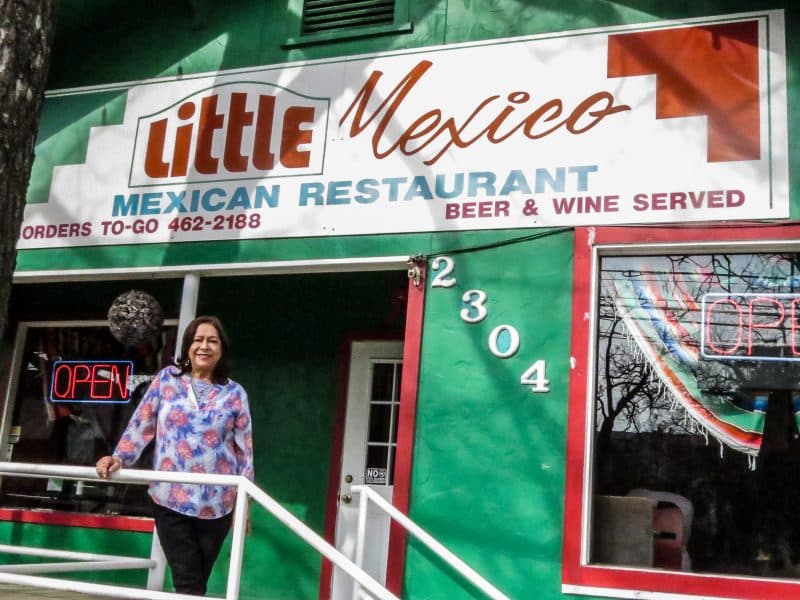
Adiós, Little Mexico Restaurant in South Austin
After nearly 40 years, Little Mexico restaurant on South First Street will close its doors.

A Call for Change: Austinites Challenge Austin Police on ICE Policy
Amid growing fears of ICE enforcement, Austin’s community and city leaders gathered to rebuild trust and push for new ways to seek help safely.