
Community Mobilizes Amid Austin ICE Arrests
As ICE activity in Austin spreads fear throughout immigrant communities, local groups respond with the power of information.
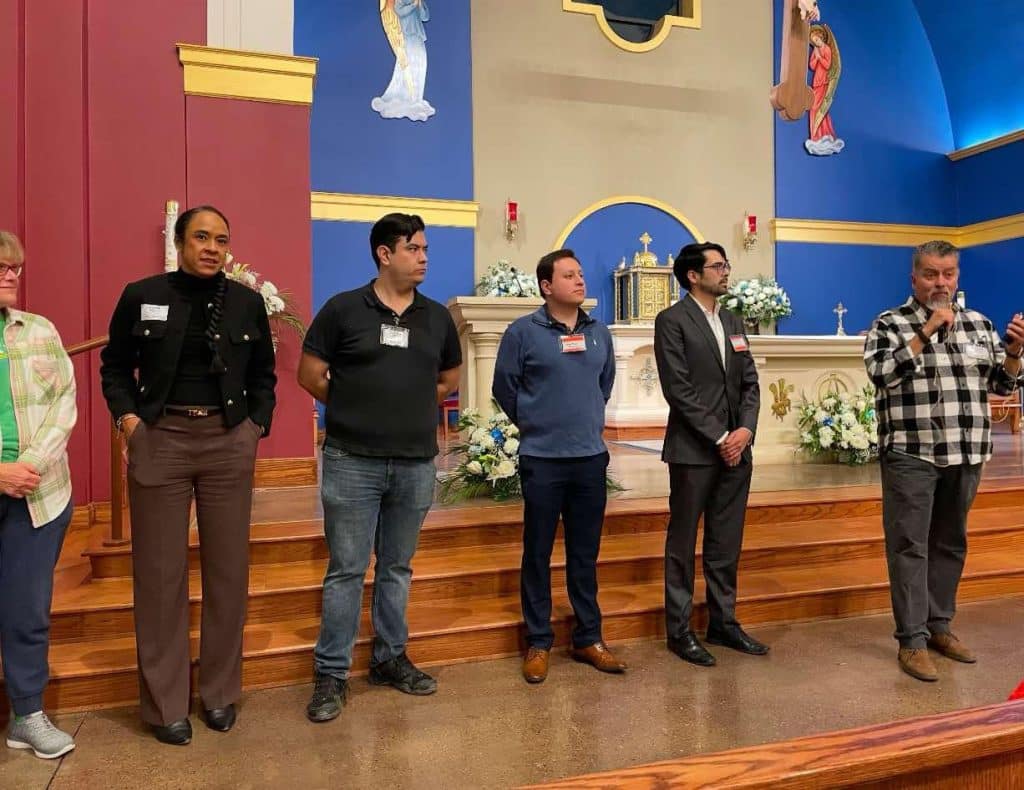
A week after President Donald Trump’s inauguration, over 700 community members filled Santa Barbara Catholic Church in East Austin in search of information and clarity about recent immigration targeting efforts. The “Conoce tus Derechos” forum, organized by CAMINA ATX brought together immigration attorneys, civil lawyers, and community advocates.
“Mientras otro siembra el miedo, nosotros sembramos conocimiento e información,” said Oscar Ponce, co-founder of CAMINA ATX (Communidad de apoyo al migrante en su nuevo avance). For Ponce, the massive turnout reflected the community’s desire to move past fear and towards action. “While others sow fear, we sow knowledge and information.”
CAMINA ATX along with other local advocacy organizations form part of a growing community response that is emerging as Immigration and Customs Enforcement (ICE) intensifies its presence across Austin and sparks concern across immigrant communities.
Local reports have ranged from door-to-door enforcement at a Hudson Bend trailer park to incidents where families were followed and questioned in public spaces like H-E-B, according to Austin-based attorney Krystal Gómez of the Texas Immigration Law Council.
While the last and current presidential administrations prioritized enforcement actions against “criminals,” they don’t define them in the same way. Recent shifts in federal immigration enforcement have removed priority categories for deportation, significantly changing how ICE operates in the nation.
“If you are an individual, a foreign national, who illegally enters the United States of America, you are, by definition, a criminal,” said White House Press Secretary Karoline Leavitt last week in a press briefing.
This change has created what Gómez describes as “collateral” detentions, where individuals are caught up in enforcement actions simply because they happen to be in the same area as someone being targeted. The impact has been felt across Austin, from residential areas to public spaces.
“Now everyone’s a priority, but what we’ve seen is that ICE is targeting raids towards people who have outstanding deportation orders,” Gómez said. “They go and find where they live or work, follow them if need be, but they will detain anyone with them.”
“It appears they were very targeted operations,” she said, “with agents waiting until people left their private residences to approach them in public areas.”
Knowing Your Rights in Different Spaces
Federal immigration authorities can now arrest people in hospitals, schools and churches, after the Trump administration rescinded a previous policy that considered these places sensitive areas.
“It doesn’t mean that they’re going to start doing widespread raids in schools, churches and hospitals, but it does mean they can,” Gómez said.
Understanding constitutional rights has become crucial for community safety, she said. Gómez clarified that these rights apply to anyone, regardless of immigration status.
“If you’re in public and ICE agents approach you, you always have the right to remain silent,” Gómez explained. “You can always say, ‘I’m not going to answer any questions. I’d like my attorney. Am I free to go?'”
When ICE agents arrive at a home, residents have specific legal protections. Gómez clarifies an important distinction: while law enforcement may present a deportation order, only a judicial warrant signed by a judge grants them authority to enter a home or make an arrest.
“A deportation order simply states that someone must leave the country,” Gómez said, “But it doesn’t give ICE the right to enter private property.”
For those in workplaces with public and private spaces, specific protocols are required for immigration enforcement encounters.
“If someone works at a restaurant and ICE shows up, it’s important for employers to have a point person who is trained to know what these warrants look like and who can talk to ICE,” Gómez said.
She noted the distinction between public and private areas in businesses: while ICE officers can enter public dining areas without a warrant, they need a signed judicial warrant to access private spaces like kitchens. Gómez said an important protective measure for businesses to have is a clear protocol that designates one individual to communicate with immigrant authorities while other staff members move to secure, private areas.
The Texas Immigration Law Council advises families to prepare essential documents and have plans in place in the case of detainment.
“If somebody is detained, they should have a plan for their family that involves somebody who is authorized to pick up kids from school, access bank accounts, pay bills – things that need to happen if you’re not able to do it yourself,” Gómez said.
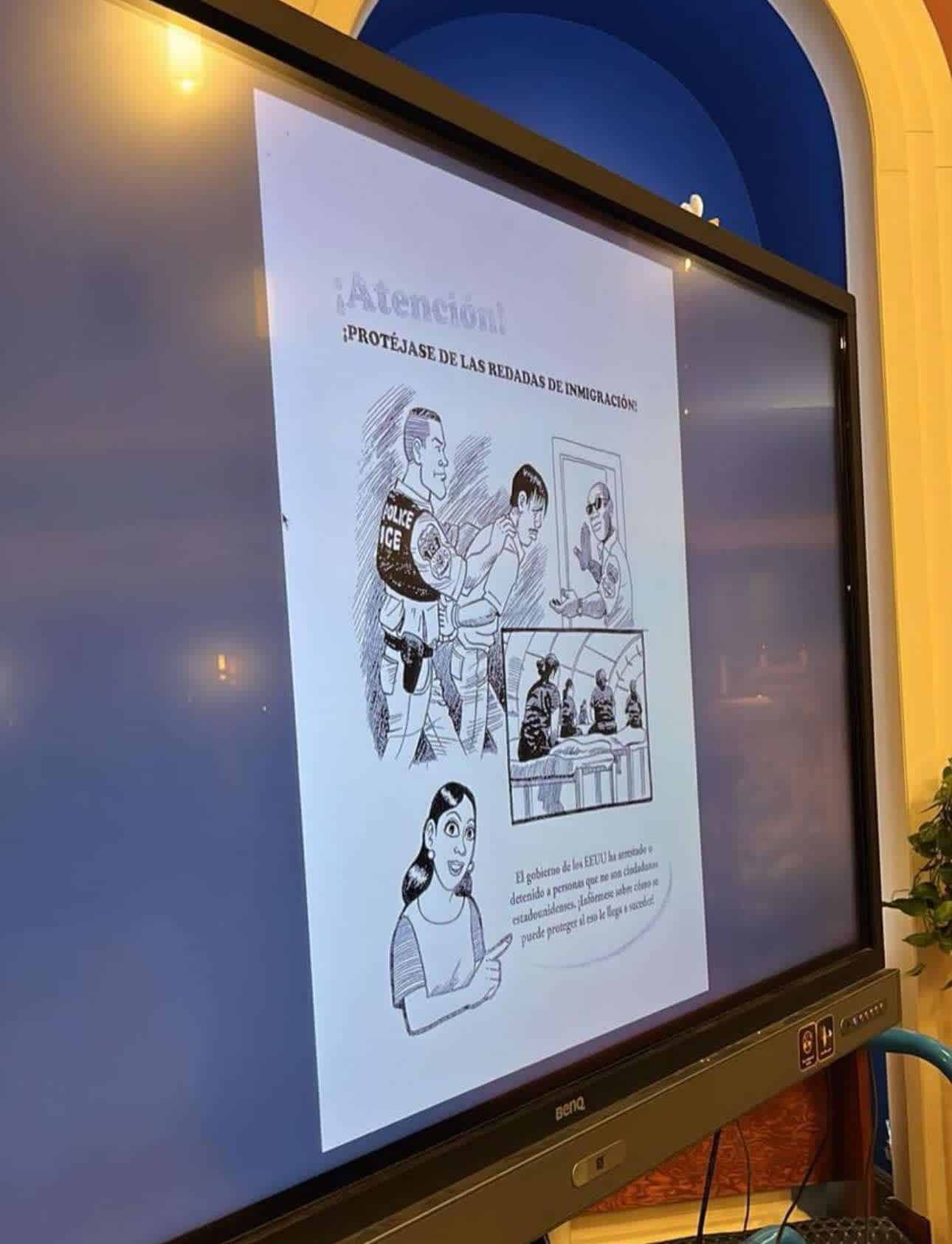
Community Organizations Mobilize
For the CAMINA ATX group, an education-centric philosophy guides their approach to community support. They host weekly Thursday workshops where they assist immigrants with arranging consular appointments, accessing the enhanced library card, digitizing birth certificates and providing other general legal resources.
Ponce, a Mexican immigrant, emphasized the importance of immigrant-led initiatives.
“No es que no tengan miedo, es legítimo que tengan miedo,” he said. “It’s legitimate to feel fear. But when people learn about their rights and how to interact with authorities, they feel more secure.”
The organization meets weekly at Southeast Branch Library and Del Valle Library and have expanded their services to include notarized custody documents for parents concerned about family separation.
Workers Defense Project, which serves immigrant workers, has also expanded its community support efforts by tailoring immigrant training guides and know your rights guides with the new guidelines established by the Trump administration. Community members can access ongoing support at their Manor Road location.
“The best defense we have is mass education about the rights that immigrants do have in Texas and for them to know they are not alone in this fight for their rights, their dignity, and their humanity,” said Christine Bolaños, the organization’s communication director.
“This last week has felt overwhelming,” Gómez said. “But it’s important for people in this movement to help each other and not duplicate efforts. We need to coordinate with one another.”
Ponce agrees.
“Lo que necesitamos ahorita es unidad. Más que nunca necesitamos unidad,” he said. “What we need right now is unity. More than ever, we need unity.”
For Community Support: Austin’s immigrant support organizations are working to ensure that community members have access to knowledge, legal resources, and support during these challenging times. Here are a few groups offering assistance:
- CAMINA ATX provides weekly workshops and support services. Community members can reach them at 737-328-7815 or informes.camina@gmail.com. The next forum will be held Thurs. Feb. 6 at St. Mary Magdalene Episocopal Church located at 12800 Lexington St., Manor TX, 78653.
- Workers Defense Project offers ongoing support at their office located at 5604 Manor Road, Monday through Friday, 9 a.m. to 5 p.m. Those seeking assistance can contact info@workersdefense.org.
- The City of Austin Equity Office is hosting a series of Know Your Rights workshops in partnership with TXILC, Feb. 12 and 13 at 6 p.m. via Zoom. Community members can reach them at equity@austintexas.gov or 512-974-9110.
- The Texas Immigration Law Council continues coordinating legal resources and family preparedness clinics throughout Austin. They also host a database of legal resources for immigrants on their website.
Additional Resources: Make sure to reach out to these organizations directly to understand the specific services they offer and how they can assist you and your loved ones’ needs in the context of ICE activities.
Legal Assistance:
- American Gateways: Offers legal services and representation to immigrants facing deportation and other immigration-related challenges.
- RAICES (Refugee and Immigrant Center for Education and Legal Services): Provides free and low-cost legal services to underserved immigrant children, families, and refugees.
Rapid Response and Advocacy:
- Grassroots Leadership: Engages in community organizing and provides support to families affected by detention and deportation.
- ICE Fuera de Austin: A community that offers rapid response support and resources for immigrant families facing ICE enforcement actions.
Counseling and Mental Health Services:
- Ortiz Therapy Group: BIPOC therapy group offers bilingual/bicultural services for individuals, couples and families.
- Prickly Pear Therapy: Bilingual/bicultural therapy services for Latine individuals and their families.
Educational Support:
- Casa Marianella: Offers ESL classes and other educational resources to recent immigrants and refugees.
Essential Services:
- Caritas of Austin: Offers financial assistance, housing support, and other essential services to help families achieve stability.
Correction: A previous version of this story misidentified Texas Immigration Law Council attorney. It’s Krystal Gómez.
Author

Related Articles

East Austin Barrio Landmarks You Need to Visit
Step into the rich tapestry of Austin’s Mexican American history with the “East Austin Barrio Landmarks” video series, inspired by a project and self-guided tour by Preservation Austin.

What’s Next for Austin’s Historic Palm School?
Once a cornerstone of a Mexican American neighborhood, Palm School may find new life as alumni and community members work to reimagine its role in Austin. New oral history project helps document its past.
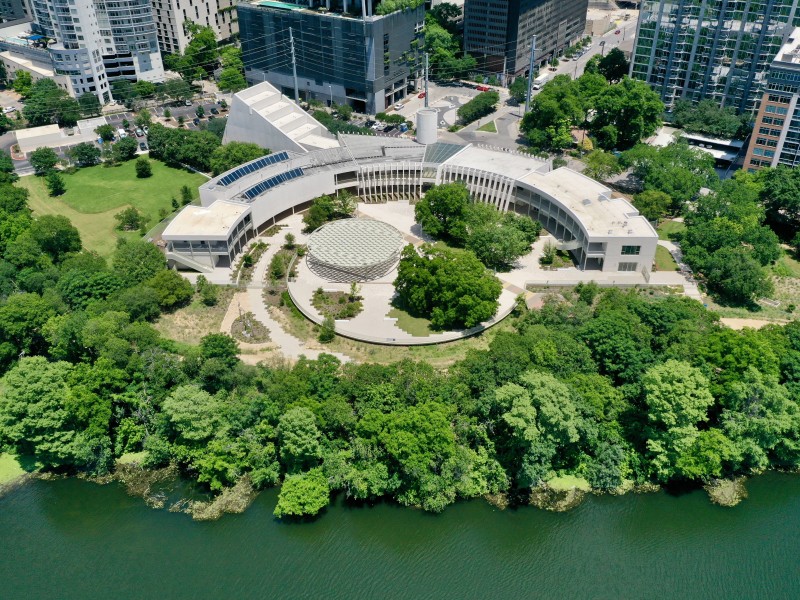
Austin’s Mexican American Cultural Center Reopens After Renovations, Expansion
After years of renovations, the Emma S. Barrientos Mexican American Cultural Center is finally welcoming la gente back home this June with an expanded space built to preserve our history for generations to come.