
From France to Mexico to East Austin: The Sweet Story of Pan Dulce
A “Taste of History” event at the French Legation State Historic Site explored how 19th-century French techniques and Mexican ingredients combined to create a staple that still sweetens Austin mornings.
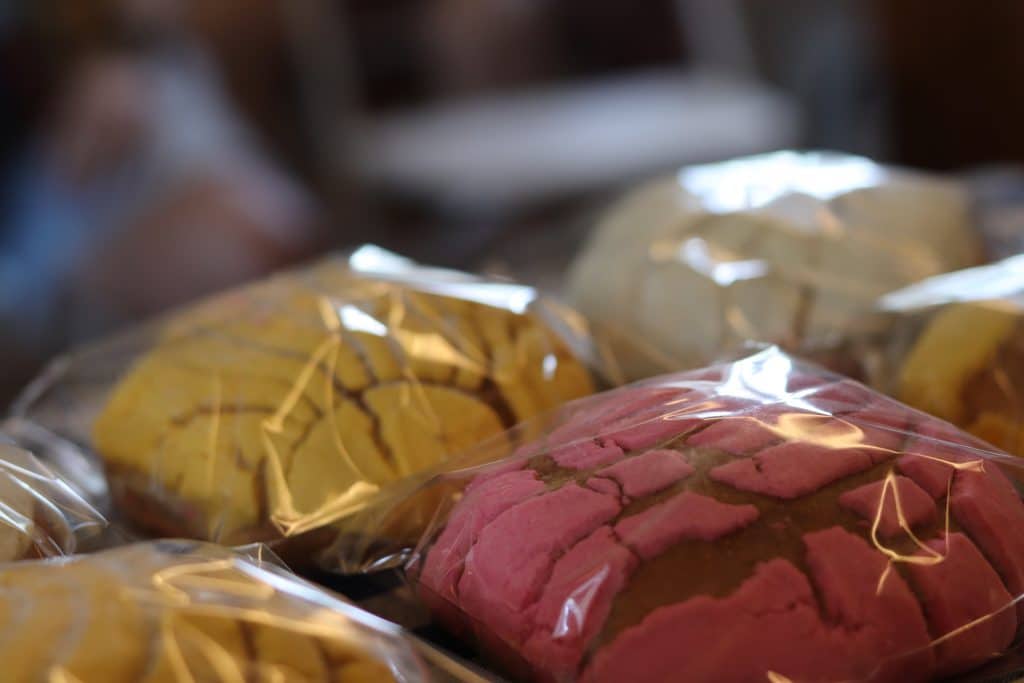
The sweet tradition of pan dulce making may now be a Mexican staple, but its roots trace back to 19th-century French influence, according to educators at the French Legation State Historic Site.
During a recent “Taste of History” event honoring Hispanic Heritage at the museum, attendees gathered to learn about food history. French Legation Educator Summer Carper shared insights into the French roots of pan dulce and its life in Austin, all while sharing sweet treats contributed by Joe’s Bakery & Coffee Shop, a decades-old Austin staple that has the distinct honor of being named one of the James Beard Foundation’s America’s Classic restaurants.
Carper said baked goods are often the result of multiple cultures coming together.
“Pan dulce has a really big lens to do that because there are so many influences in the baking, specifically between local indigenous ingredients, Spanish colonists, but also French colonists,” Carper said.
At the same time Mexico was relying on corn-based baking, Europeans were baking with wheat and using lots of butter. The Spaniards, who were in Mexico at the time, started using wheat for the eucharist, or hostias, and it eventually spread to other baked goods in the 1500s. Once the French started trying to take over Mexico in the 1800s, they established bakeries in Mexico. They brought over their baking styles, such as croissants and brioche dough.
“As French bakers were either kicked out or left, Mexican bakers, panaderos, would come in and take those influences and make their own recipes,” Carper said.
Panaderos added local ingredients, like sweet potato, chocolate and vanilla to create new flavors, Carper said. Eventually, each bakery had their own baking style, which also applies to bakeries in Texas. Carper said pan dulce has evolved into over 2,000 different styles.
In the late 1800s, pan dulce took over downtown Austin in Republic Square, which used to be known as Mexican Park with a heavy Mexican influence. However, Carper said a city plan in 1928 that pushed Hispanic residents east of Interstate 35 moved those panderias with them.
Joe’s Bakery, owned by Joe Avilla since 1962, has been on the East Side for decades. Avilla’s father learned to bake in Mexico and brought his skills to Texas. His family started selling baked goods in 1935. Soon, 8-year-old Avilla was learning to bake with his father.
Eventually, the bakery turned into “Joe’s Bakery & Coffee” in 1962. The “Taste of History” event also featured a Longhorn Radio Network broadcast segment with Avilla from 1982, where he discussed his journey with pan dulce and its presence in Austin.
“A baker is more of an artist, it’s more like an artwork because you do a lot of things…being a baker you can always come up with something new,” Avilla told the Longhorn Radio Network. “I’ve shared my recipes with (other panaderos) because (when I pass), I ain’t going to take it with me.”
Conchas
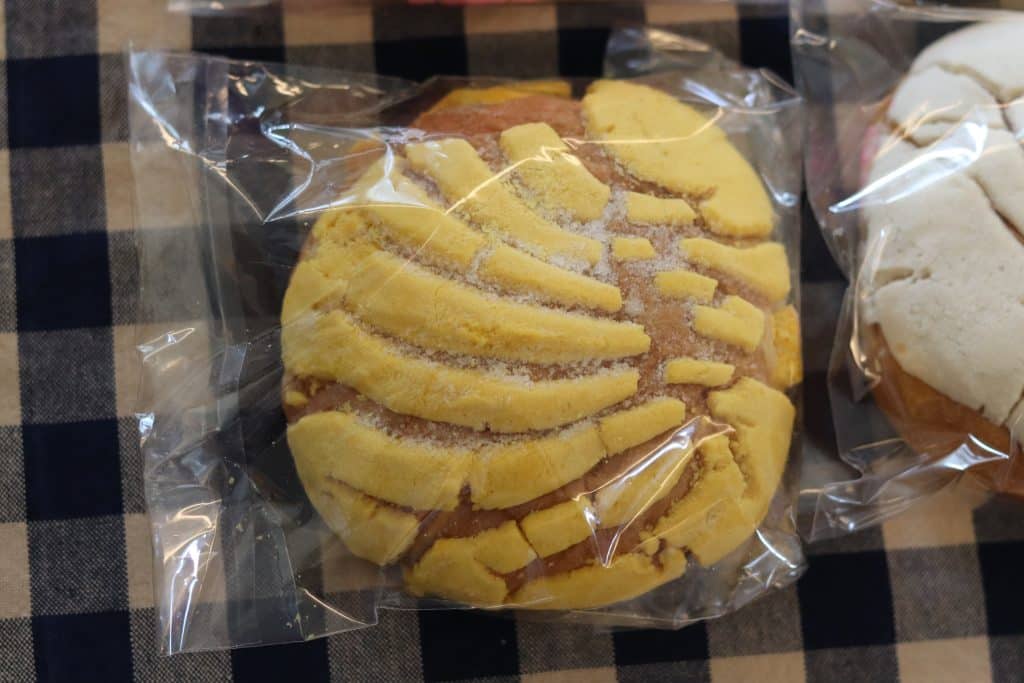
Carper said conchas come from french bread, which in Mexico is now known as a bolillo, but the cracked sugar on top came from Mexico. Like a lot of pan dulce, conchas got their name from something they resemble: seashells, or conchas in Spanish.
Cuernitos
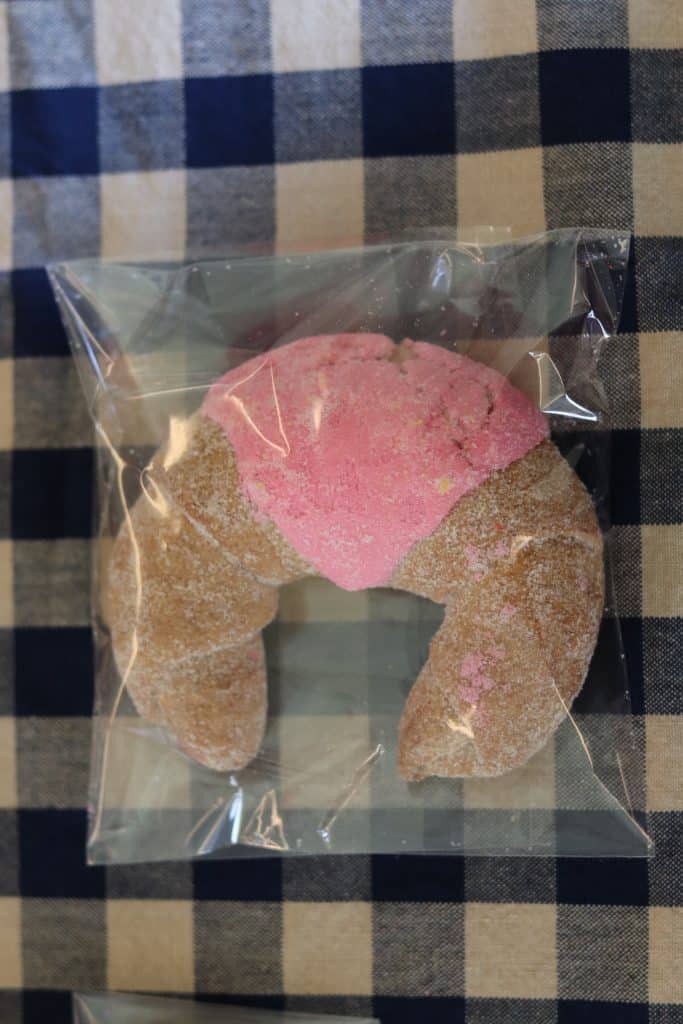
Cuernitos got their name from their horn-like appearance. This shape was borrowed from the French as it imitates a croissant. The actual dough was inspired by brioche, which is a light, buttery fluffy dough that sits between traditional bread and pastry.
Empanadas
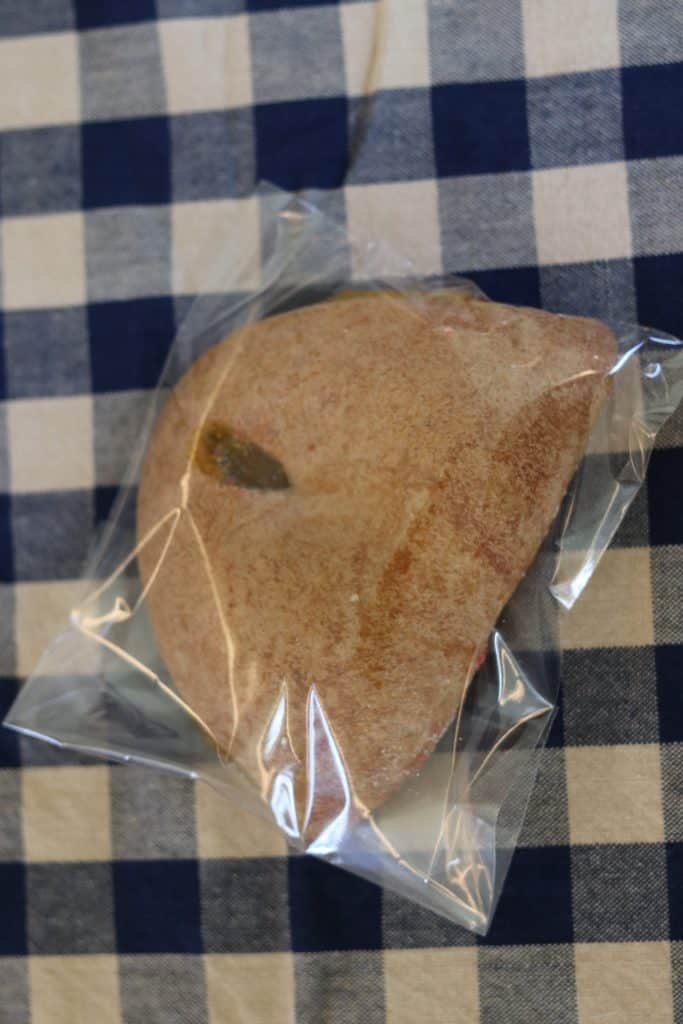
In the broadcast, Avila said empanadas are one of Joe’s Bakery’s most popular pastries, offering pineapple, apple and camote.
RELATED COVERAGE: Austin Receives Mexican American Cultural District Designation
Author

Related Articles
Viva La Reina: How Selena Lives on through Art and Culture
As fans worldwide celebrate Selena in April, a Texas exhibit honors Selena’s enduring cultural impact through December 2026.
Where to Celebrate Selena’s Birthday in Austin 2026
In Texas, April 16 is Selena Day, a time when Selena fans commemorate the anniversary of her birthday with various celebrations throughout April. Check out how Austin will honor her legacy.

5 SXSW 2026 Artistas to Add to Your Playlist
In honor of Women’s History Month, we’re highlighting some fierce female performers who performed at South by Southwest and should be on your playlists.