
Johnny Limón Village Creates Path to East Austin Home Ownership
The affordable housing community named after the late East Austin advocate Johnny Limón will help preserve history, heritage in changing neighborhood.
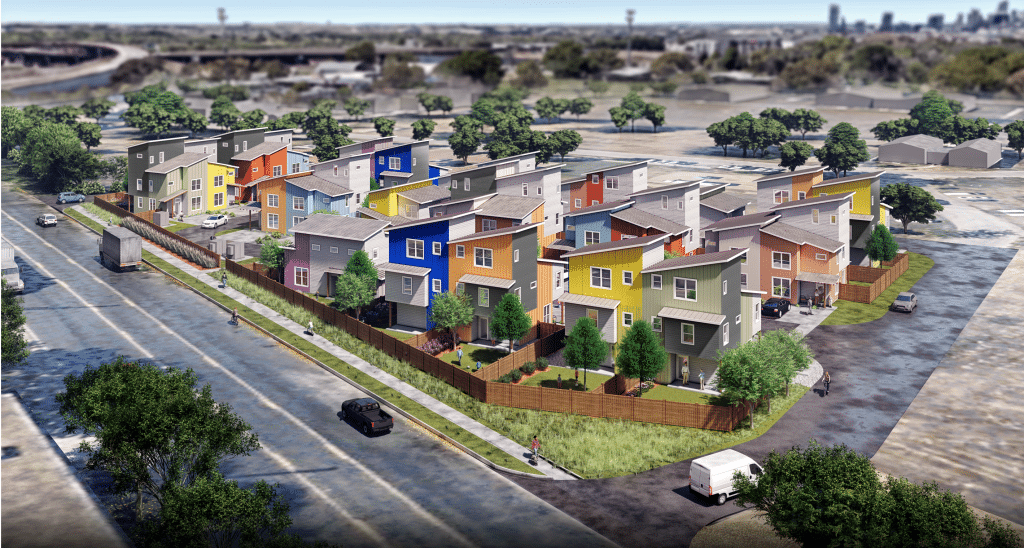
At the recent groundbreaking ceremony for Johnny Limón Village, longtime activist Susana Almanza stood before the crowd and recalled the housing struggles her family faced while growing up – a struggle that has now shaped the new 27-unit affordable housing community meant to help families with deep ties to East Austin.
“In 1965, my family was displaced and we struggled to find a home,” she said. “But in the early 1970s, we became recipients of the Guadalupe Neighborhood Development Corporation, and we went from being renters to homeowners.”
Almanza, who has spent decades fighting for affordable housing and social justice, will now have a street named after her in the housing community that broke ground at 800 Gardner Road in District 3. The development honors four East Austin community leaders while providing new paths to homeownership for current or former East Austin residents who want to remain in the neighborhood or want to return.
The project is named for Johnny Limón, who spent years helping East Austin families stay in their homes. It will use a community land trust model that lets families purchase their homes while leasing the land from the Guadalupe Neighborhood Development Corporation for $50 a month, keeping property taxes low and resale prices affordable for future buyers.
“Johnny Limón Village is a direct result of listening to the community,” said Mandy DeMayo, interim director of the City of Austin Housing Department. “Community feedback reinforced the need for affordable homeownership opportunities here, which was key in selecting this proposal.”
The development will include 20 homes for families earning up to 80 percent of the area median family income and seven homes for those earning up to 60 percent, according to the city’s housing department. Homes will range from 1,200 to 1,650 square feet, with two, three, and four-bedroom options. About half of the homes are expected to be completed in Winter 2026 with the last phase wrapping up in Spring 2027.
The Fight Against Displacement
The groundbreaking comes amid a housing crisis that has reshaped East Austin, where soaring property values have pushed out longtime Latino and Black residents. GNDC currently has about 200 households on its waiting list for homeownership opportunities.
“What’s really sad to me is that I don’t think the city and others recognize the displaced people,” said Mark Rogers, GNDC’s executive director. “The people that are displaced, they go away. So to me, that’s such a loss. We lose people that have the history in their blood, and they’re gone.”
GNDC prioritizes families with generational ties to East Austin, with more than 90 percent of prospective buyers having deep roots in the community. The organization follows the city’s Preference Policy, which among other focuses, gives priority to households with historic connections.
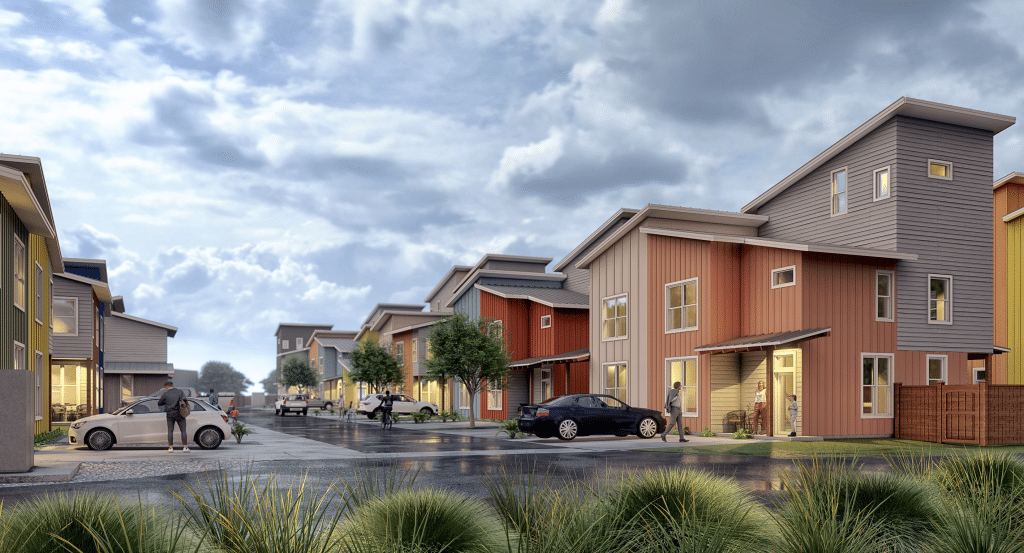
The Model for the Future
GNDC has pioneered affordable housing models in Texas before. In 2012, it developed the state’s first Community Land Trust home after enabling legislation passed in 2011.
The program’s success is visible in stories like that of Mary Ybarra, GNDC’s first land trust homebuyer. She purchased her house for $150,000 with no interest just two lots away from where she grew up.
“It keeps it very affordable,” Rogers said. “She’s still paying us less than $1,000 a month in total principal, interest, taxes and insurance for her brand-new two-bedroom, two-bath home.”
The city also operates its own Community Land Trust through the Housing Department and Austin Housing Finance Corporation, expanding homeownership opportunities for first-time buyers.
With development pressures continuing to rise, GNDC leaders see Johnny Limón Village as more than just new housing. It is a chance to preserve East Austin’s cultural heritage while giving families the stability to remain in neighborhoods where their histories run deep.
“At Johnny Limón Village, families will have a chance to build that history anew,” Rogers said, “on streets named for the leaders who fought to make East Austin a place worth staying.”
For Rogers and GNDC, each new homeowner represents not just another family housed, but another thread in the fabric of East Austin’s story, one that continues to be written by the people who call it home.
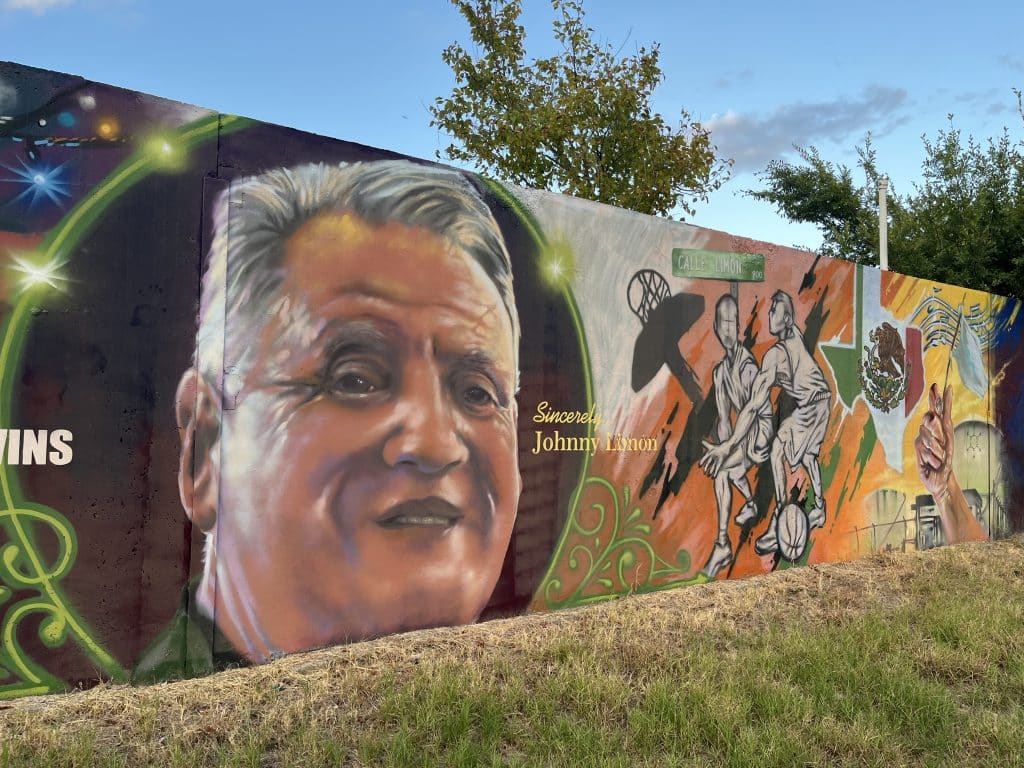
Photo by Nancy Flores/Austin Vida
EAST AUSTIN LEADERS HONORED
The streets of the new neighborhood will carry the names of East Austin leaders who spent their lives fighting for affordable housing and community rights: Johnny Limón, Paul Hernandez, Susana Almanza and Jorge Duron Guerra.
- San Juan “Johnny” Ojeda Limón (1951–2020) advocated for affordable housing and helped create the Home Repair Coalition, which assisted more than 100 families. He served on GNDC’s board and volunteered with Meals on Wheels for nearly 25 years.
- Paul Hernandez (1946–2020) was a founding member of the Brown Berets, led fights against police brutality and gentrification, and helped establish the East Austin Chicano Economic Development Corporation. He also campaigned successfully to end boat races on Town Lake, later helping turn the area into a public park.
- Susana Almanza, is the founding director of PODER (People Organized in Defense of Earth and her Resources). She served on the White House Environmental Justice Advisory Council from 2021 to 2024 and continues to organize for environmental justice in East Austin.
- Jorge Duron Guerra (1932–2017), a Korean War veteran, owned and operated the iconic El Azteca restaurant on East Seventh Street for more than five decades. He served on the Brackenridge Hospital Board and pushed for improvements to reduce crime and flooding in East Austin.
MORE INFORMATION
Families interested in GNDC homeownership opportunities, including future units at Johnny Limón Village, can apply through the organization’s website or contact their offices directly. GNDC also offers rental housing programs for qualifying households.
Author

Related Articles
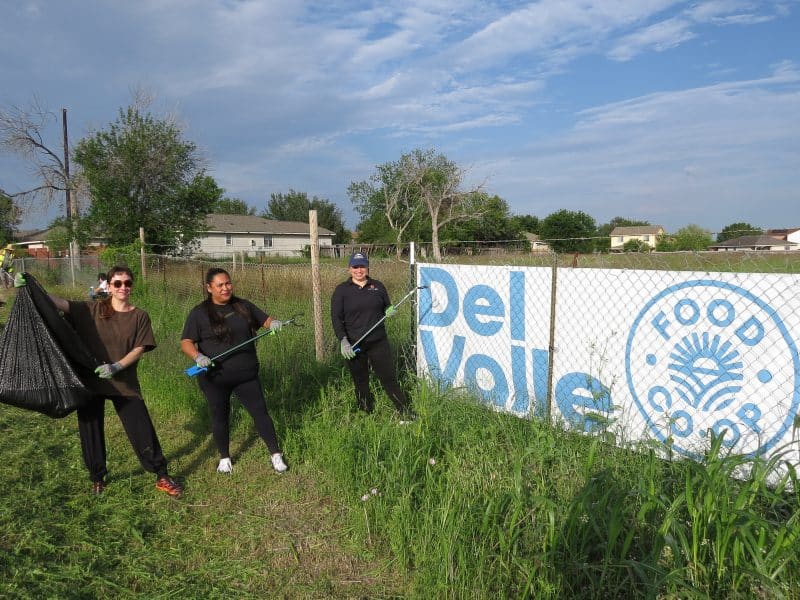
“Creating it for Ourselves”: Del Valle Residents Unite to Bring Community-Owned Grocery Store to Food Desert
After years of waiting, Del Valle residents will soon have a grocery store in the neighborhood. The Del Valle Food Co-op expects to launch in late 2026 and aims to make it easier for residents to access quality groceries and fresh food.
East Austin Barrio Landmarks You Need to Visit
Step into the rich tapestry of Austin’s Mexican American history with the “East Austin Barrio Landmarks” video series, inspired by a project and self-guided tour by Preservation Austin.

What’s Next for Austin’s Historic Palm School?
Once a cornerstone of a Mexican American neighborhood, Palm School may find new life as alumni and community members work to reimagine its role in Austin. New oral history project helps document its past.